
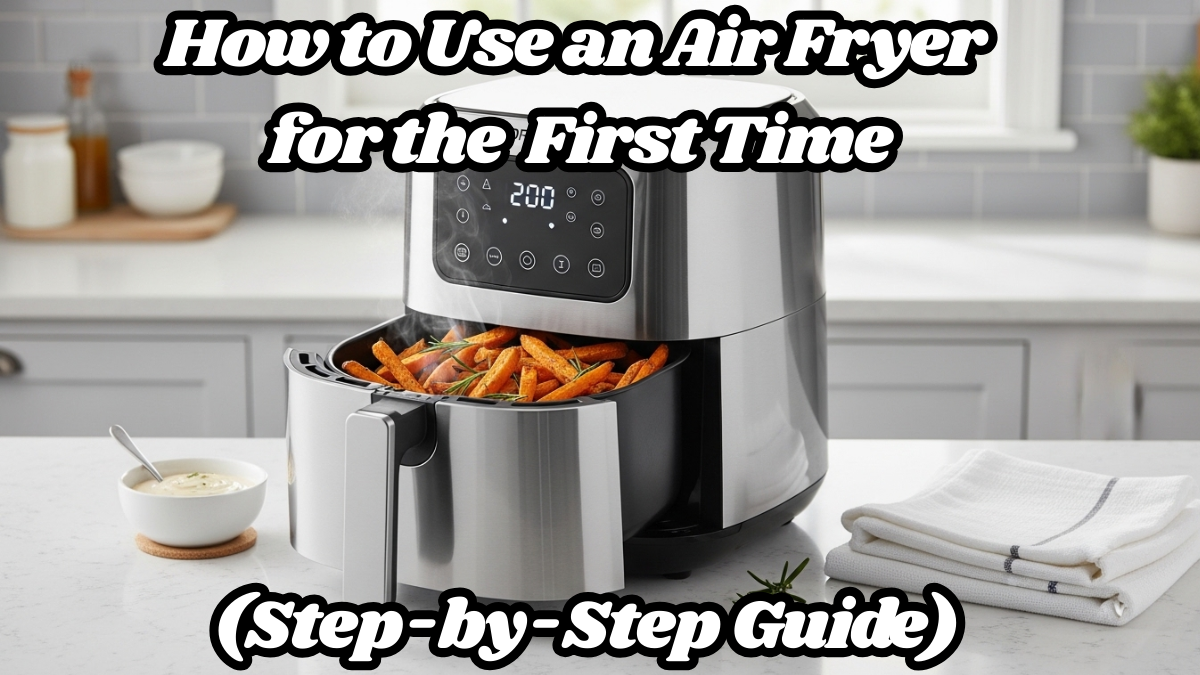
How to Use an Air Fryer for the First Time (Step-by-Step Guide)
Learning how to use air fryer appliances for the first time is easier than most people expect, yet many beginners feel intimidated when they unpack their new kitchen gadget.
With buttons, temperature settings, baskets, and cooking presets, it can initially seem complicated — but the reality is that air fryers are designed to simplify cooking, not make it harder.
An air fryer works by circulating hot air rapidly around food, creating a crispy exterior similar to frying but using little to no oil. Once you understand a few basic principles, you can cook meals faster, cleaner, and more consistently than with traditional ovens or stovetops.
Introduction & Guide Goals
This step-by-step beginner guide explains exactly how to start using your air fryer safely, how to set the right temperature, what mistakes to avoid, and how to get perfect results from your very first meal.
👉 For a full overview of temperatures, accessories, and beginner fundamentals, read: The Complete Air Fryer Guide for Beginners (2026 Edition)
What Is an Air Fryer and How Does It Work?
Before cooking, it helps to understand what your appliance actually does. An air fryer is essentially a compact convection oven. A powerful fan circulates super-heated air around food, allowing it to cook evenly while creating crisp textures without deep frying.
Instead of submerging food in oil, the air fryer removes moisture from the outer layer while cooking the inside thoroughly. This process explains why foods like chicken wings, fries, and vegetables become crispy so quickly.
If you’re planning to cook wings soon, timing becomes important — see this cooking guide: 👉 How Long to Cook Chicken Wings in Air Fryer (Perfect Timing Guide)
Step-by-Step Setup
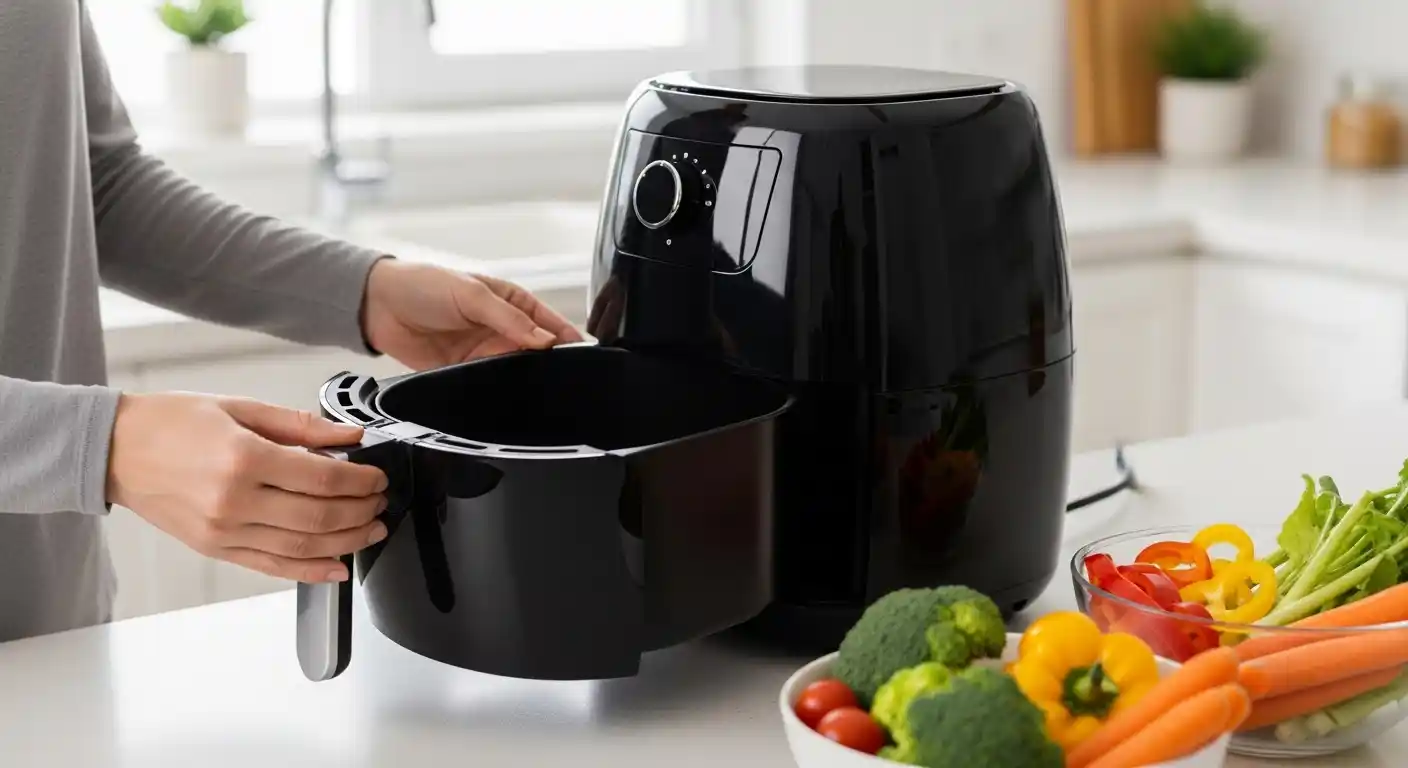
Step 1 — Unbox and Clean Your Air Fryer
Before first use, always clean removable parts.
What to Do First:
- 1. Remove packaging materials.
- 2. Take out the basket and tray.
- 3. Wash with warm water and mild soap.
- 4. Dry completely before assembling.
This removes factory residue and prevents unwanted smells during the first cooking session. Many beginners skip this step and notice a plastic odor during cooking — a completely avoidable mistake.
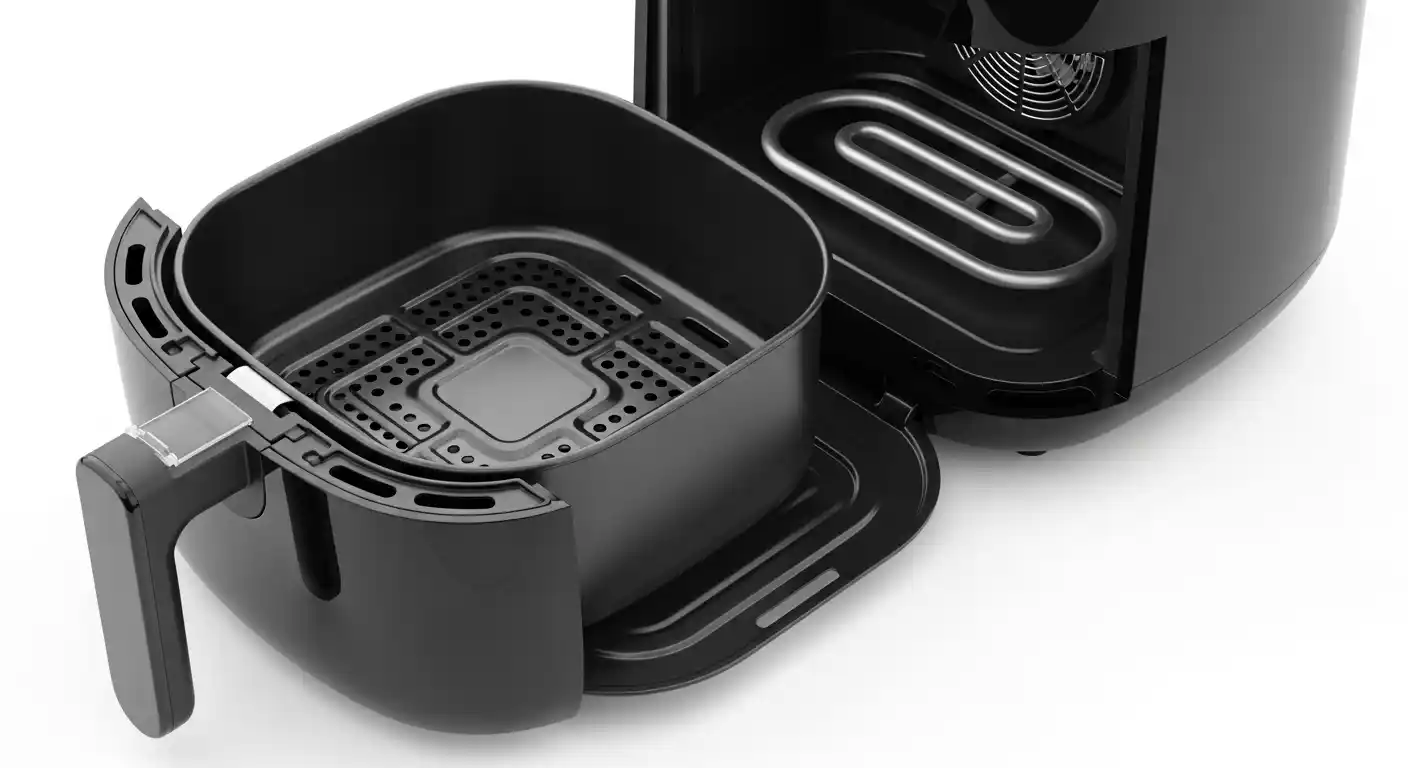
Step 2 — Understand the Main Parts
Most air fryers include similar components:
- Basket or tray
- Cooking drawer
- Heating element
- Control panel
- Air vents
Knowing these parts helps you operate the appliance confidently.
If you’re unsure whether basket or tray models are better, compare them here: 👉 Air Fryer Basket vs Air Fryer Tray: Which Is Better?
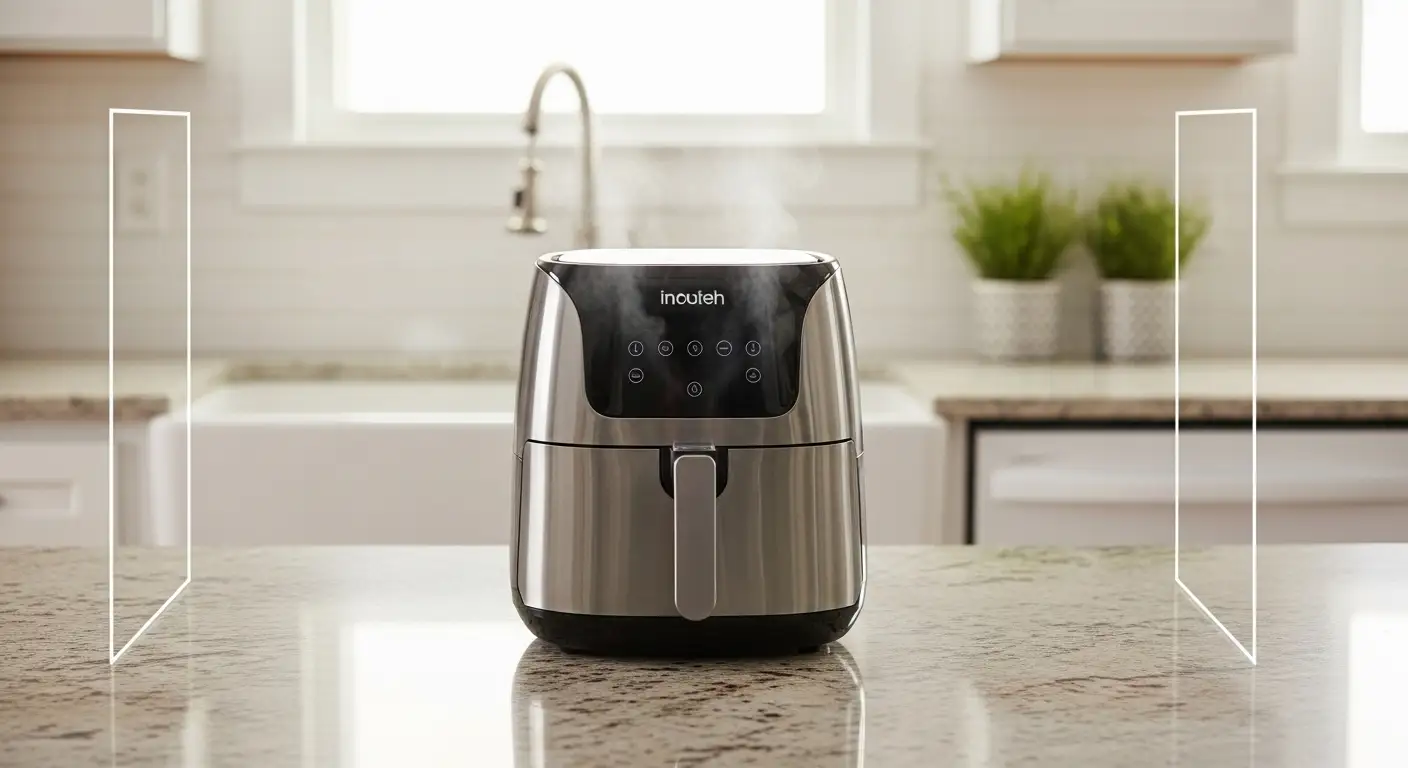
Step 3 — Choose the Right Location
Placement matters more than beginners realize.
Safe Placement Rules:
- Leave at least 5 inches of space around the air fryer.
- Avoid placing near walls or cabinets.
- Use heat-resistant surfaces.
- Never block air vents.
Proper airflow prevents overheating and ensures even cooking.
Cooking & Preparation Steps
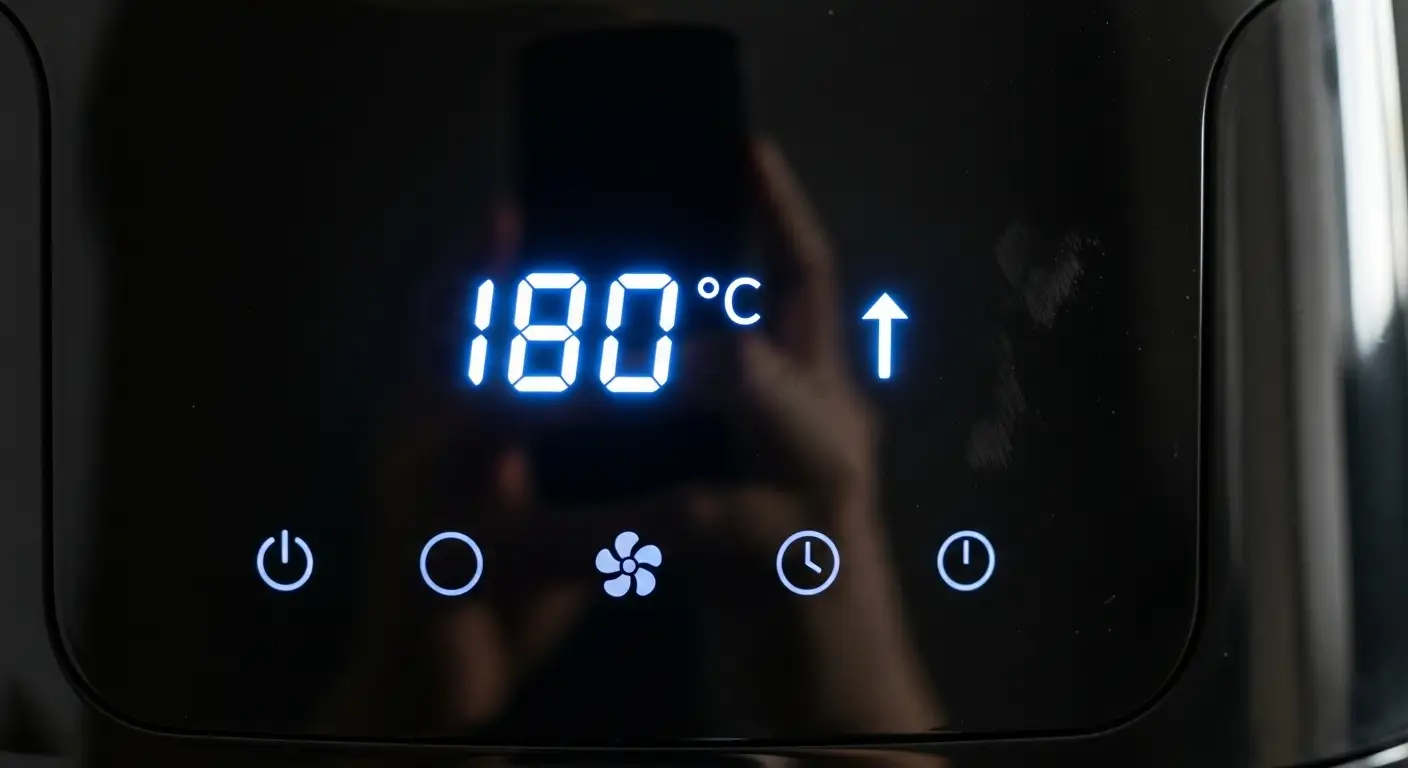
Step 4 — Preheat the Air Fryer (When Needed)
Some modern models preheat automatically, but manual preheating improves results. Preheating helps achieve crisp textures immediately instead of slowly warming food.
How to Preheat:
- 1. Set temperature to 350–400°F.
- 2. Run empty for 3 minutes.
- 3. Insert food afterward.
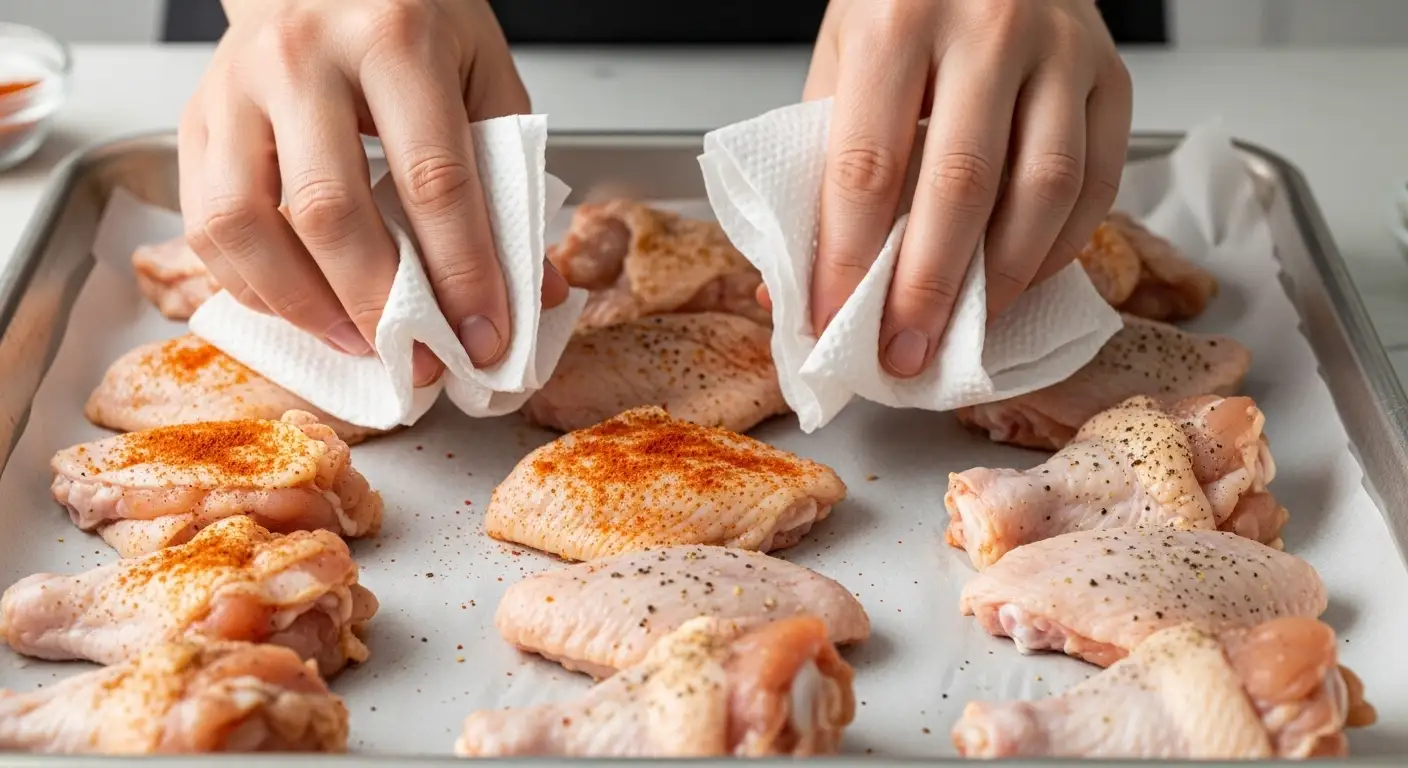
Step 5 — Prepare Food Correctly
Preparation plays a major role in air fryer success. Dry surfaces crisp better because moisture prevents browning.
Beginner Preparation Tips:
- Pat food dry before cooking.
- Lightly coat with oil spray.
- Avoid excessive sauces initially.
- Season evenly.
For a beginner-friendly recipe example, see: 👉 Air Fryer Wings Recipe: Crispy Outside, Juicy Inside
Step 6 — Load the Basket Properly
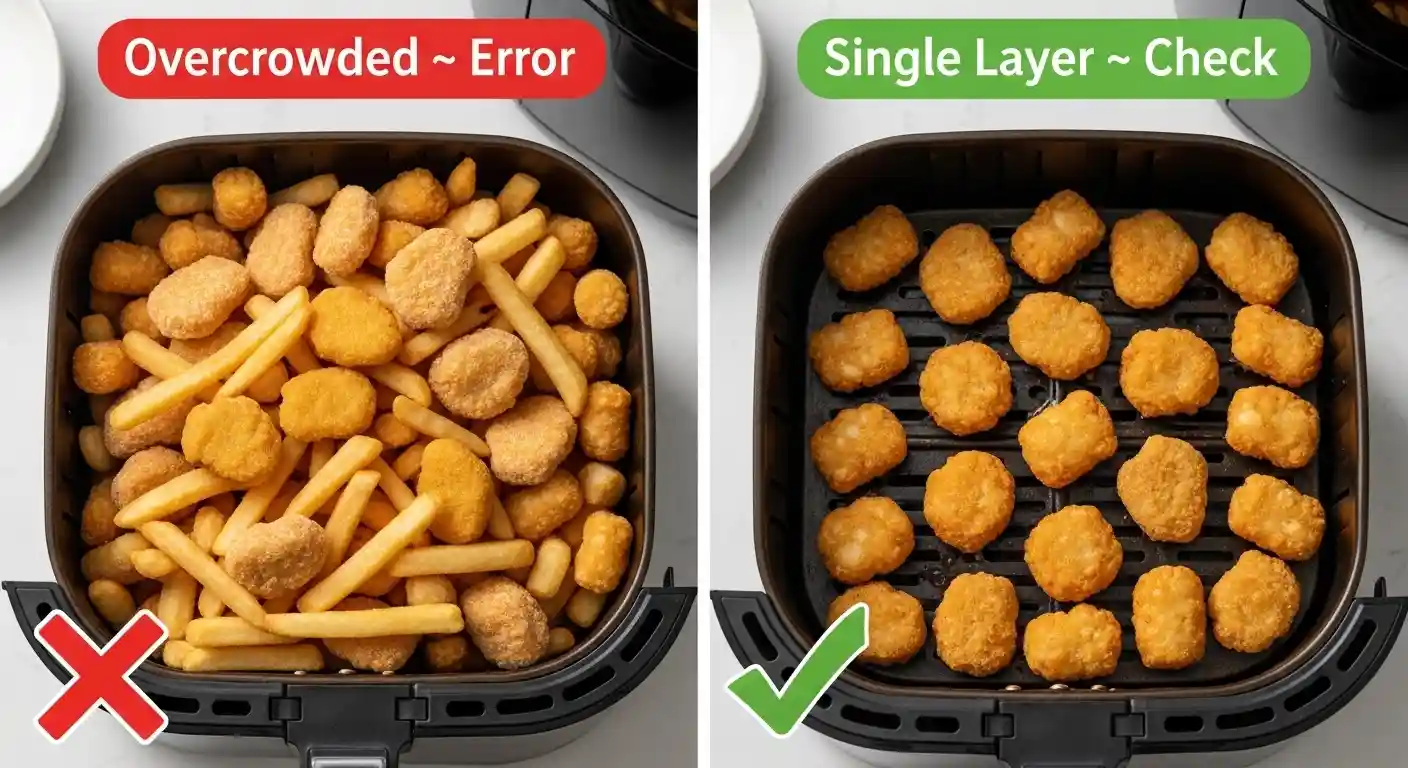
One of the biggest beginner mistakes is overcrowding. Air fryers need space for hot air circulation. When food overlaps too much, it steams instead of crisps. This simple adjustment dramatically improves results.
Correct Method:
- ✅ Single layer when possible
- ✅ Small gaps between pieces
- ✅ Cook in batches if needed
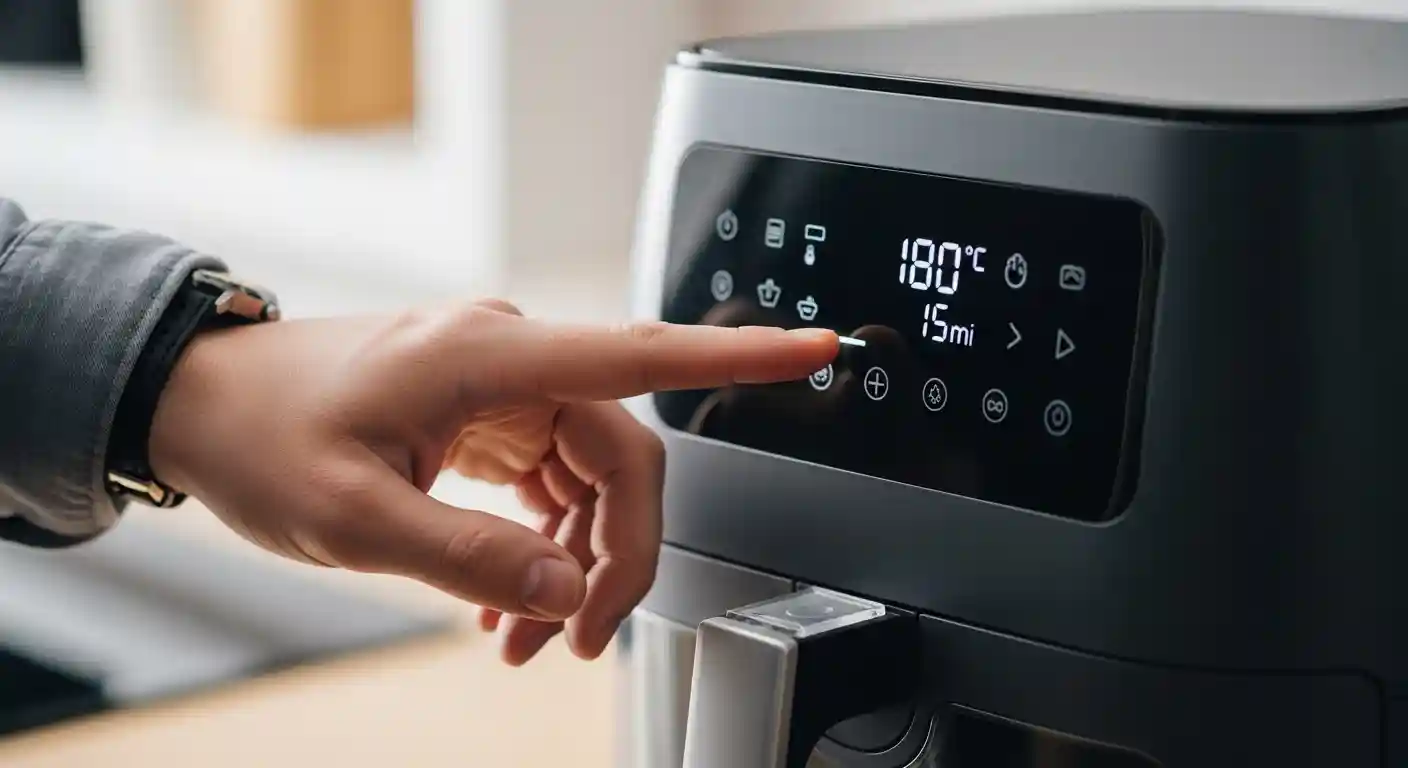
Step 7 — Set Temperature and Cooking Time
Understanding temperature is key when learning how to use air fryer appliances effectively. Cooking times vary depending on thickness and quantity.
General Beginner Temperature Guide:
- 350°F — vegetables & reheating
- 375°F — chicken & frozen foods
- 400°F — crispy foods and wings
If cooking frozen foods, follow this guide: 👉 Frozen Wings in Air Fryer: Time, Temperature & Mistakes to Avoid
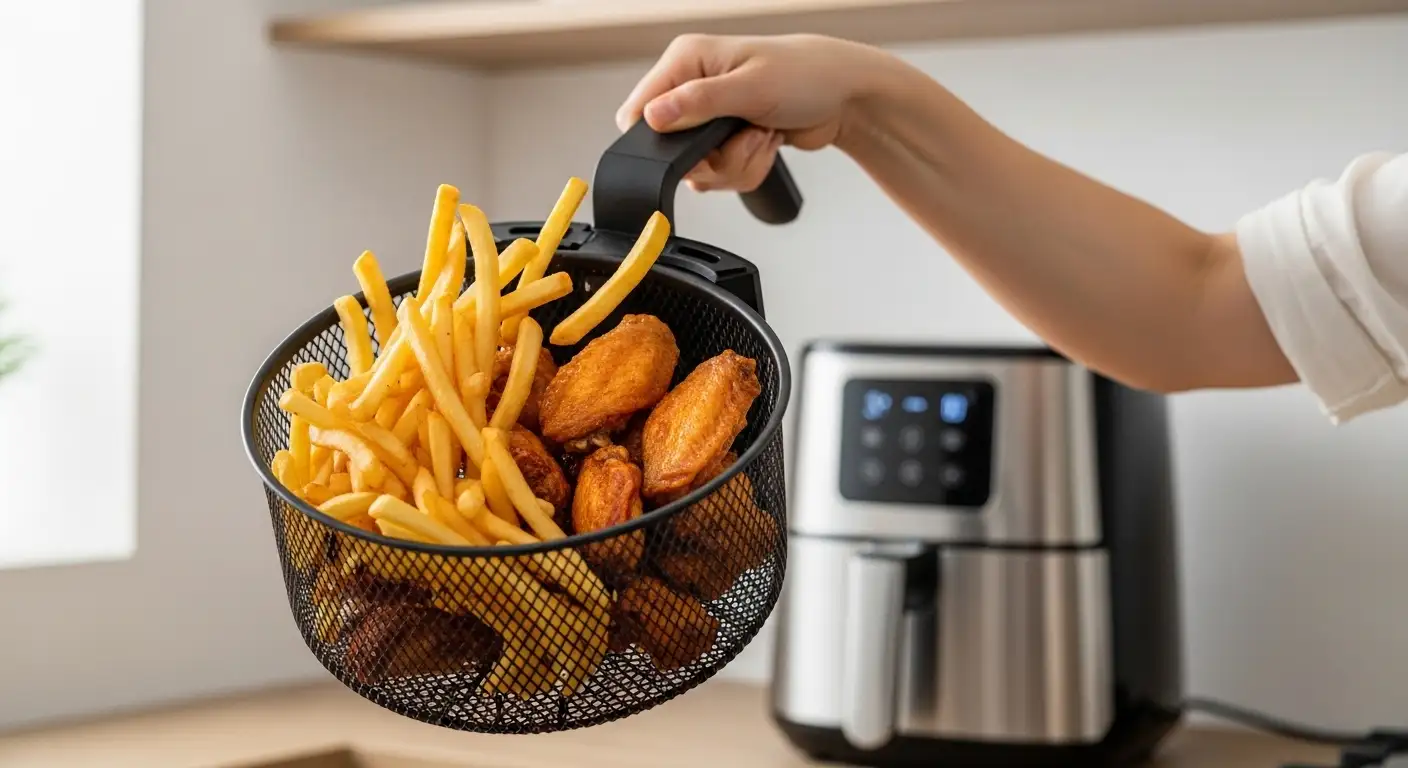
Step 8 — Shake or Flip Food Halfway
Most foods cook more evenly when turned midway. Set a timer reminder at halfway point.
When to Shake:
- Fries
- Wings
- Nuggets
- Vegetables
Some beginner air fryers include shake alerts — a feature discussed here: 👉 Best Air Fryers for Beginners (Easy & Affordable Picks)
Finishing & Maintenance
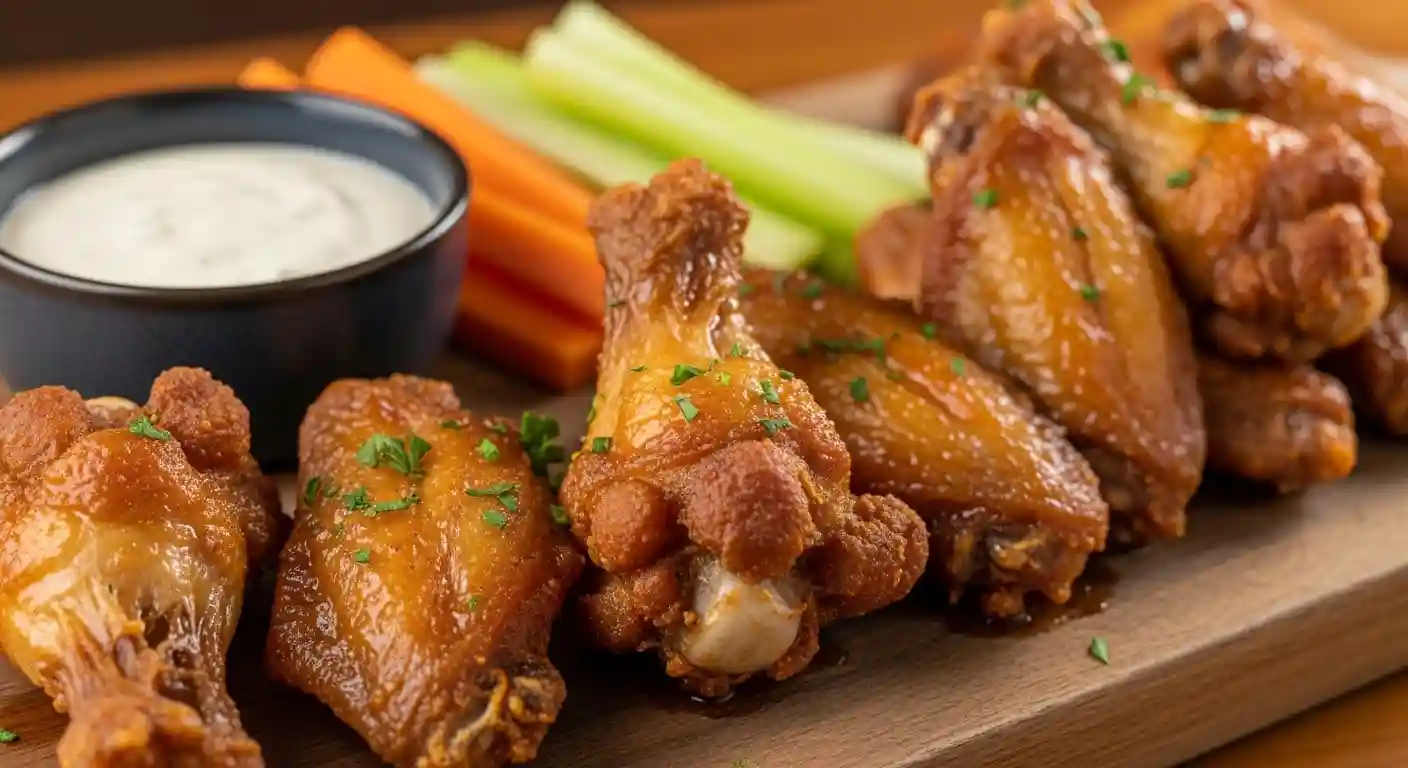
Step 9 — Check Food Doneness Safely
Avoid guessing when food is ready. Chicken should reach 165°F (74°C) internally.
Signs food is done:
- Golden brown exterior
- Crispy texture
- Internal temperature reached
For detailed wing doneness signs, read: 👉 How to Check if Chicken Wings Are Done in an Air Fryer
Step 10 — Remove Food and Cool Properly
Use tongs or silicone tools to remove food safely. Never use metal utensils that may damage the non-stick coating.
Helpful beginner accessories can make this easier: 👉 Top Air Fryer Tools That Make Cooking Easier
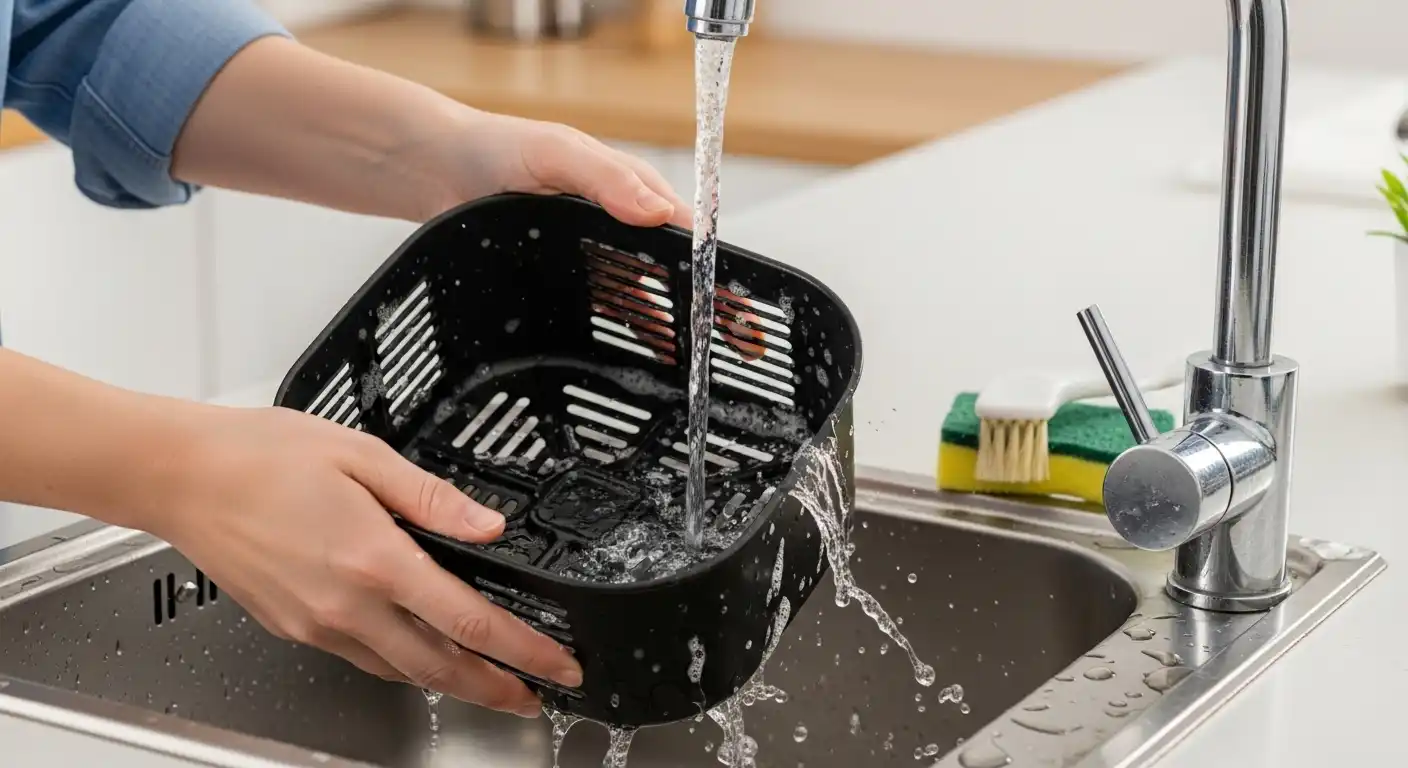
Step 11 — Clean After Every Use
Cleaning immediately prevents grease buildup.
Quick Cleaning Routine:
- 1. Let appliance cool.
- 2. Remove basket.
- 3. Wash with warm water.
- 4. Wipe interior gently.
Many users simplify cleaning using liners and accessories explained here: 👉 Best Air Fryer Accessories 2026 (Worth Buying or Not?)
Common Beginner Mistakes to Avoid
- ❌ Using Too Much Oil: Air fryers require minimal oil. Excess oil causes smoke and soggy food.
- ❌ Skipping Preheat: Cold starts reduce crispiness.
- ❌ Cooking Everything at the Same Temperature: Different foods require different heat levels.
- ❌ Not Experimenting: Air fryers are forgiving appliances. Small adjustments quickly improve results.
What Foods Should Beginners Cook First?
Start with simple, reliable foods to learn timing and airflow behavior quickly:
- French fries
- Chicken wings
- Frozen snacks
- Vegetables
- Sausages
Easy foods help you learn timing and airflow behavior quickly. Once confident, you can explore more recipes and techniques through the main beginner hub: 👉 Air Fryer Guides & Accessories Hub
Why Air Fryers Are Perfect for Beginners
Air fryers reduce cooking complexity while improving consistency. Beginners gain confidence because results are predictable and fast. Instead of managing oil temperatures or complicated recipes, users simply adjust time and temperature.
This simplicity explains why air fryers have become one of the fastest-growing kitchen appliances worldwide. As your skills improve, you’ll naturally explore accessories, recipes, and advanced cooking methods — all building on the basics learned here.
Explore More Air Fryer Guides
Don’t stop here! Visit our complete hub for more expert tips, side-by-side comparisons, and updated buying recommendations.

