
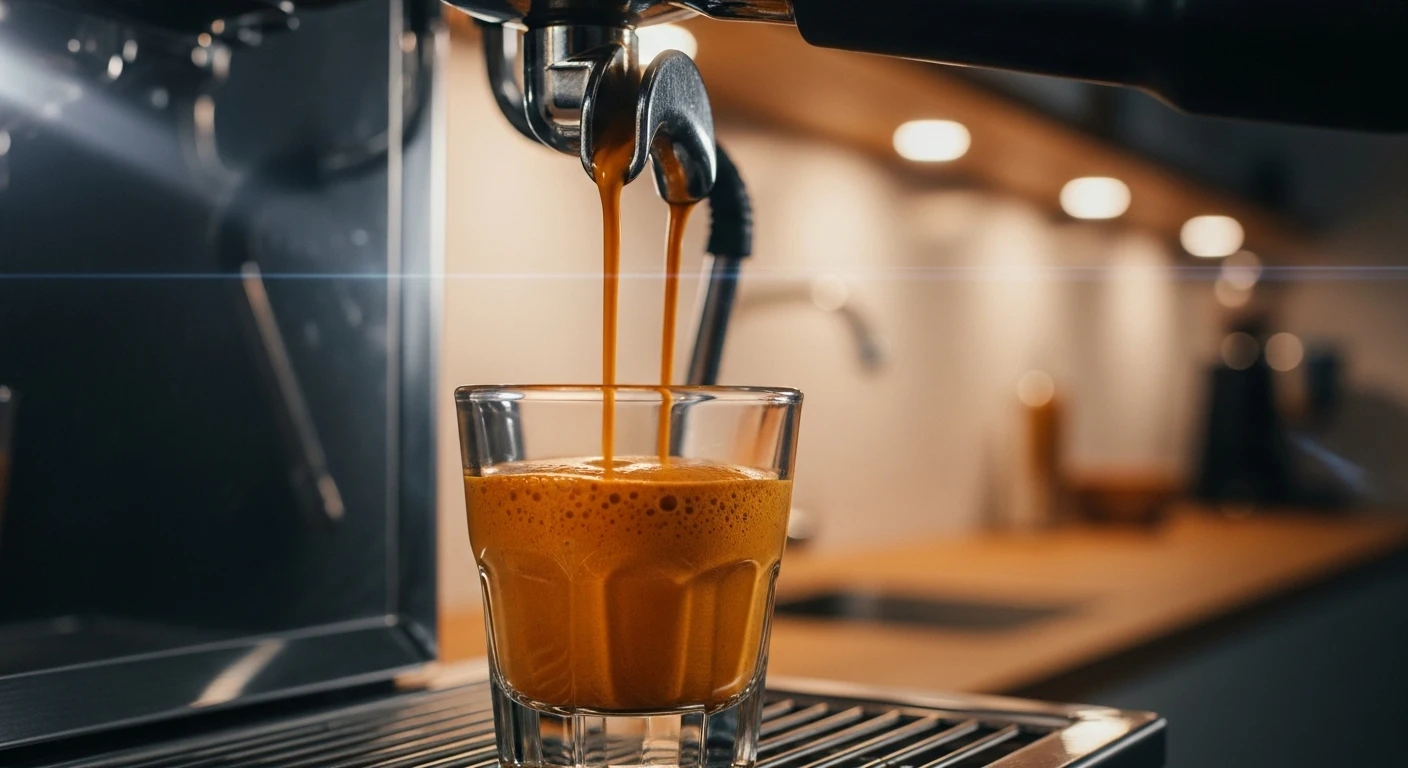
Why Your Espresso Tastes Sour (2026 Guide): Fix Under-Extraction at Home
Sour espresso is one of the most common frustrations for home baristas. You buy fresh beans, invest in high-quality equipment, and follow recipes — yet every shot tastes sharp, acidic, or unpleasantly tangy instead of balanced and sweet.
The good news is simple: sour espresso is almost always fixable. In most cases, it isn’t caused by bad beans or a poor machine, but by incomplete extraction. This guide explains exactly why your espresso is sour and how to solve it step-by-step.
By understanding the chemistry of extraction, you can transform a sharp, disappointing shot into a rich, café-quality experience. Every sour shot is simply a signal from your machine that it needs a few small adjustments.
Quick Answer
Sour espresso is a symptom of under-extraction. It occurs when water hasn’t dissolved enough sugars to balance out the initial acids. The most effective fix is to grind finer, which increases water contact time, or to increase your yield (brewing a slightly longer shot). Ensure your water temperature is between 90–96°C and that your beans have rested for at least 5–10 days after roasting.
What Sour Espresso Actually Means
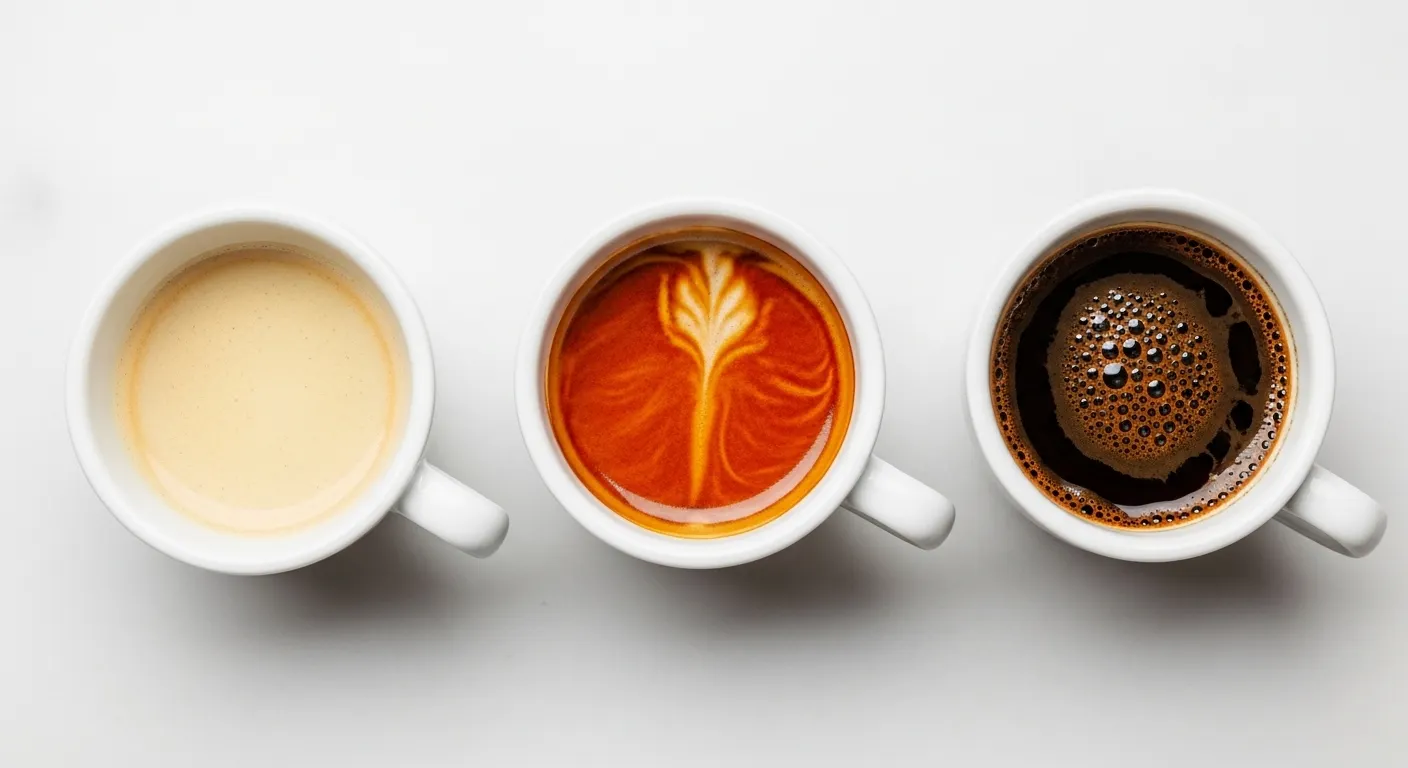
In the world of coffee science, sourness is the hallmark of under-extraction. During the brewing process, water dissolves coffee compounds in a specific, non-negotiable order. Understanding this sequence is the key to mastering flavor.
The Extraction Sequence:
- Acids: Bright, citrusy organic acids extract almost immediately.
- Sugars: Caramel-like sweetness extracts in the middle phase.
- Bitters: Heavier plant fibers and tannins extract at the very end.
When extraction stops too early — because the water flowed too fast or the temperature was too low — the sugars never make it into the cup. You are left with a shot dominated by Stage 1. This results in a flavor profile that is lemon-like, thin-bodied, and often has a salty or hollow aftertaste.
For a deeper dive into the physics of this process, read our guide: Coffee Extraction Explained Simply.
The 6 Most Common Reasons Your Espresso Tastes Sour
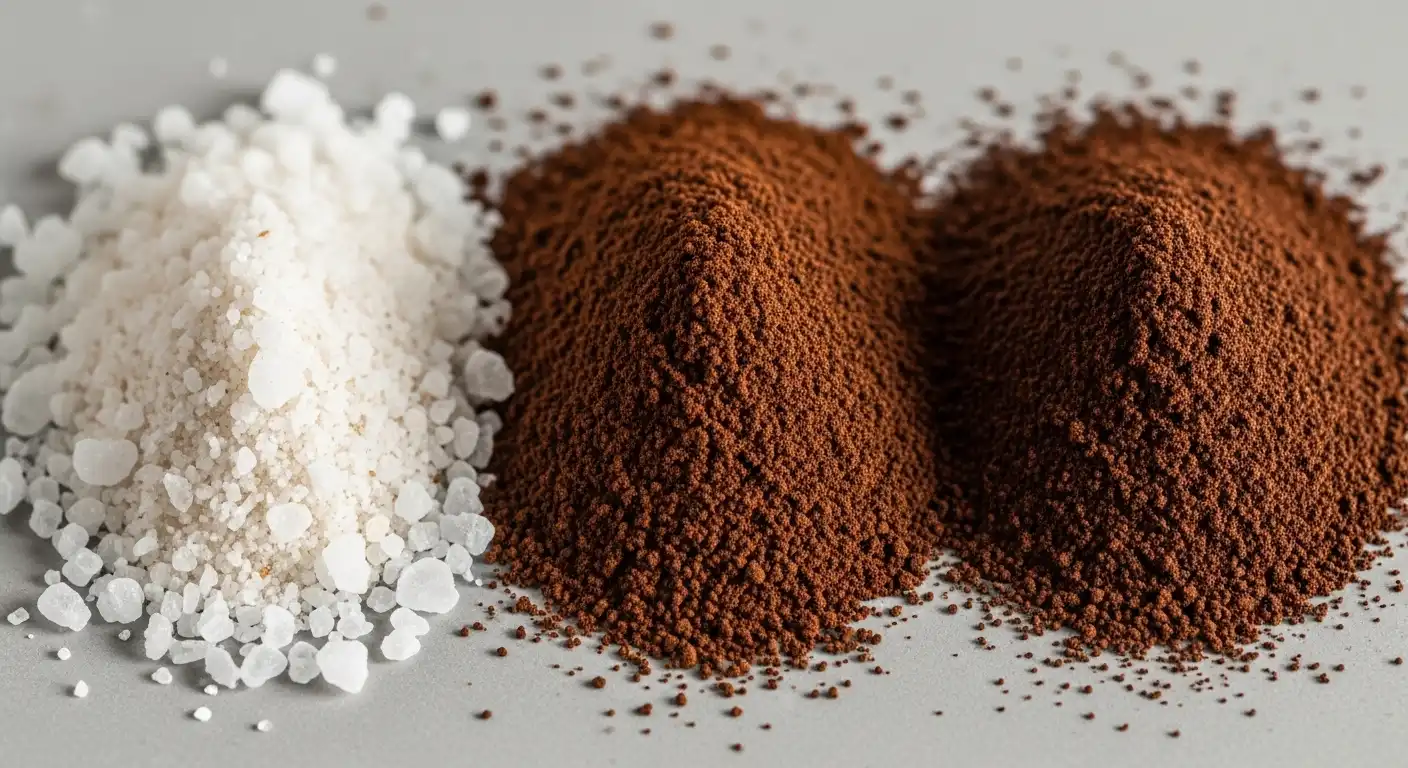
Most sour espresso problems can be traced back to one of these six factors. Adjusting them systematically will yield immediate improvements.
1. Grind Size Is Too Coarse
This is the primary cause of sour shots. If the grind particles are too large, water rushes through the coffee puck with very little resistance. This lack of contact time prevents the water from dissolving the complex sugars inside the bean.
The Fix: Adjust your grinder to a finer setting in small increments until the flow slows down and your shot hits the 25–35 second window.
2. Brew Time Is Too Short
Even if your grind is perfect, cutting the shot short (for example, at 15 seconds) will result in a sour “ristretto” that lacks sweetness. Most balanced shots require a minimum of 25 seconds of water contact to pull out the sugars.
The Fix: Aim for a standard 1:2 ratio (e.g., 18g coffee in, 36g espresso out) within a 25–35 second timeframe.
3. Water Temperature Is Too Low
Heat acts as a catalyst for extraction. Cool water struggles to break down the sugars and oils in the bean, emphasizing only the bright acids. If your machine isn’t hot enough, the espresso will taste “sharper” than it should.
The Fix: Ensure your machine is set between 90–96°C (195–205°F). Always allow your portafilter to warm up inside the group head before brewing.
4. Incorrect Coffee Dose
Using too little coffee in your basket reduces the puck’s resistance. Water finds it too easy to pass through, leading to a fast, under-extracted, and sour shot. Conversely, overcrowding can lead to uneven extraction or “channeling.”
The Fix: Use a scale to ensure you are meeting the manufacturer’s recommended dose for your specific basket size.
Even with perfect technique, water that lacks minerals cannot extract sweetness efficiently. This often leads to “unfixable” sourness.
Coffee Water Chemistry Guide →5. Coffee Beans Are Too Fresh
It sounds counterintuitive, but “too fresh” is a real thing. Freshly roasted beans are packed with Carbon Dioxide (CO2). During brewing, this gas escapes aggressively, creating turbulence that prevents the water from evenly contacting the coffee particles. This “shielding” effect results in uneven, sour shots.
The Fix: Let your beans rest for 5–10 days post-roast to allow for proper degassing.
Dialing In Step-by-Step
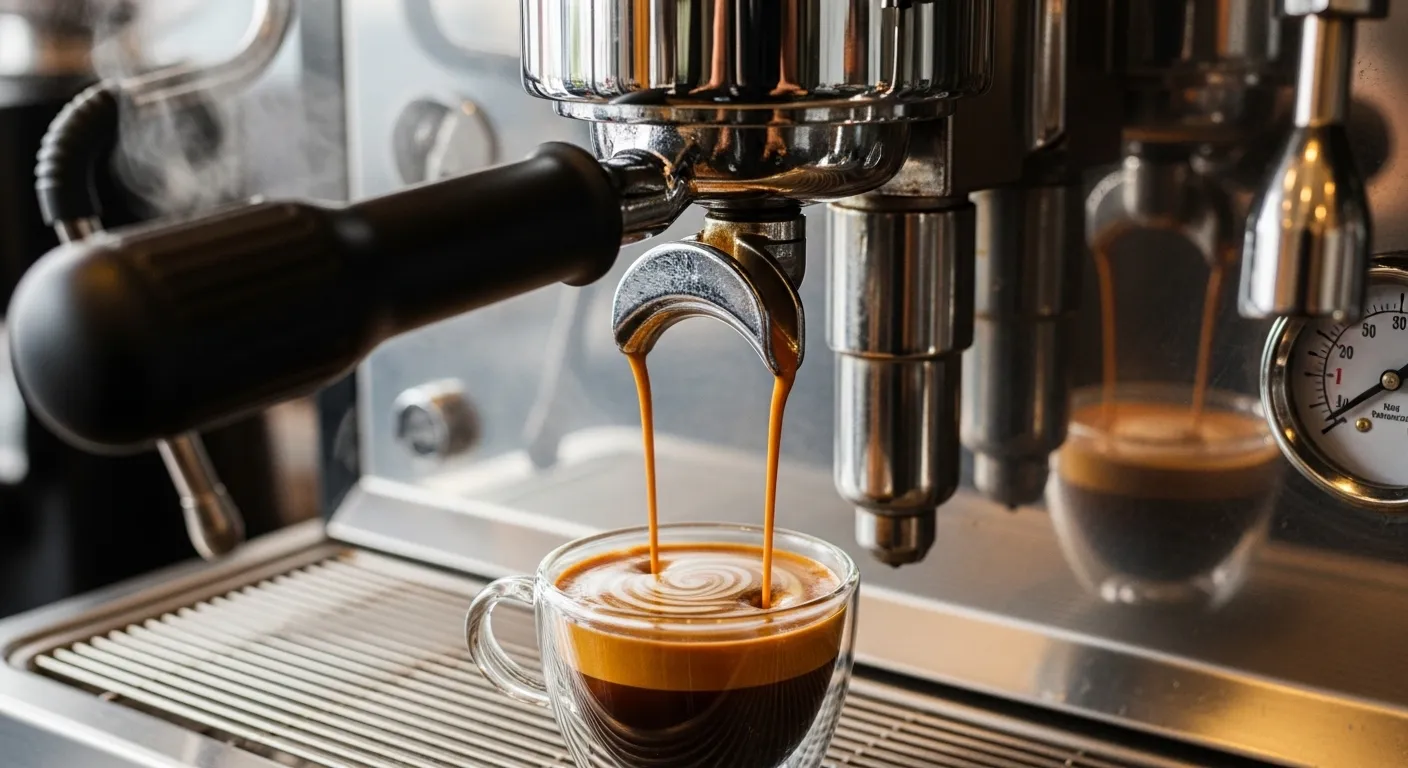
To fix a sour shot, follow this systematic workflow. Change only one variable at a time to keep your data clean.
Step 1 – Fix Your Dose
Choose a weight (e.g., 18g) and stick to it. Don’t change the amount of coffee while you’re still trying to find the right grind size.
Step 2 – Set Your Ratio
Target a 1:2 output. If you used 18g of grounds, brew until you have 36g of liquid in the cup. This ratio provides the best baseline for most medium to dark roasts.
Step 3 – Adjust Grind Finer
If the result is sour, adjust your grinder 1 or 2 notches finer. This increases the puck’s resistance and extends the contact time, allowing sugars to dissolve. [Imagem: Barista ajustando o moedor]
Step 4 – Increase Yield (The Pro Move)
If you’ve ground as fine as you can and it’s still sour, increase your ratio. Pull 40g or 42g from that same 18g of coffee. The extra water passing through the puck will eventually pull out the sweetness needed to balance the cup.
Common Beginner Mistakes
- ❌ Changing Multiple Variables: If you change the grind AND the temperature at the same time, you’ll never know which one fixed the problem.
- ❌ Mistaking Bitter for Sour: Sour hits the sides of the tongue and makes you pucker (under-extraction). Bitter hits the back of the throat and feels dry (over-extraction).
- ❌ Using a Cheap Grinder: If your grinder produces uneven particles, some will be under-extracted (sour) while others are over-extracted (bitter). You’ll get a shot that is sour and bitter at the same time.
- ❌ Ignoring Channeling: If your tamping is uneven, water will spray through gaps, missing most of the coffee. This creates a weak, sour, watery mess.
Equipment Factors for Better Extractions
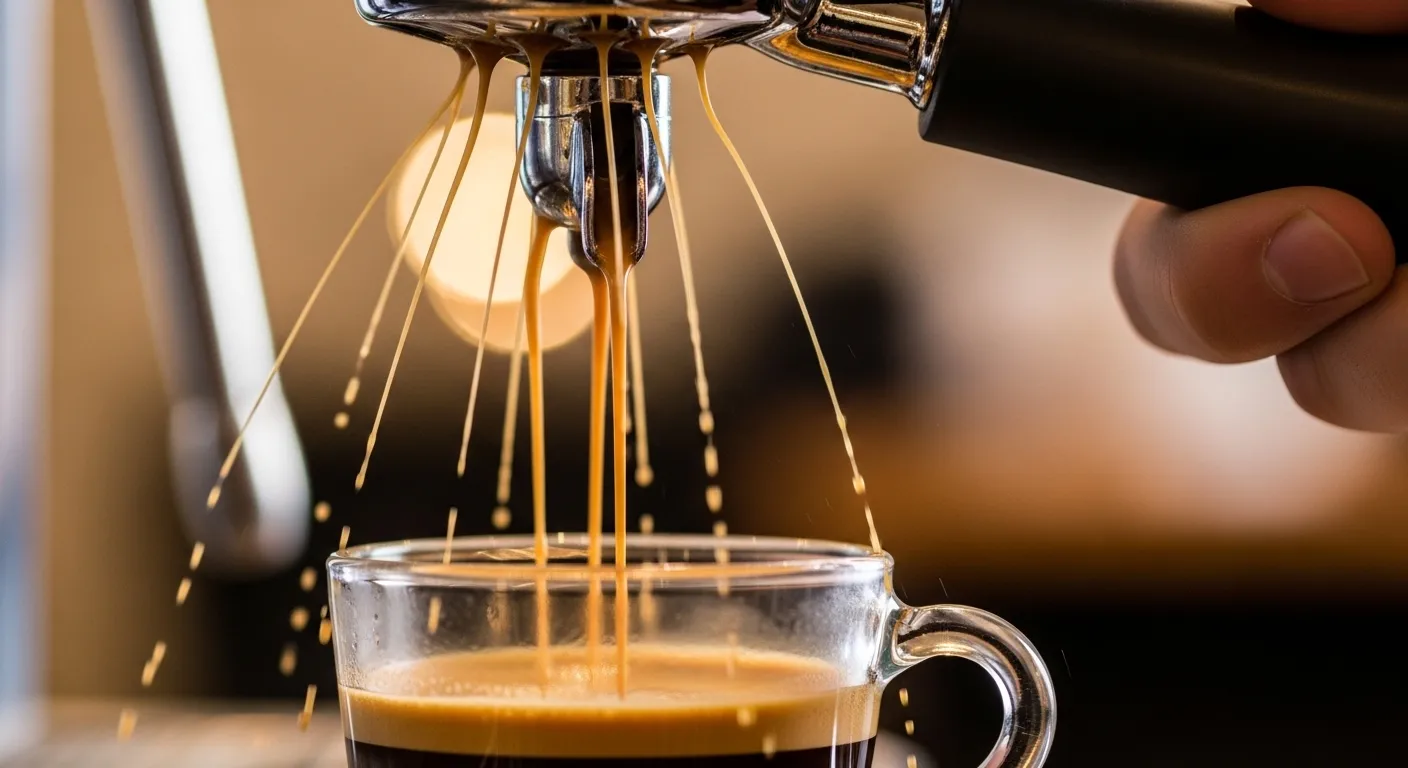
Sometimes, your technique is perfect but your gear is holding you back. Understanding your equipment’s limitations helps you troubleshoot more effectively.
Grinder Consistency
A consistent grinder is more important than the espresso machine itself. High-quality burrs ensure every particle is extracted at the same rate. See our: Best Home Grinder Guide.
Temperature Stability
Entry-level machines often fluctuate in heat. Using a machine with a PID controller ensures your water stays at the exact degree needed for sweetness. Check: Best Machines Under $1000.
Frequently Asked Questions
Is light roast always sour?
No, but light roasts are harder to extract. They contain more natural acidity and require much hotter water and finer grinds to reveal their sweetness. If you find them too sour, try a medium roast baseline first.
Should I tamp harder to stop sourness?
Tamping harder only works up to a point. Once the air is squeezed out of the puck, more pressure doesn’t add more resistance. You should focus on your grind size instead of physical strength.
My shot is sour AND bitter. What happened?
This is usually caused by channeling. The water finds a hole in the puck and over-extracts that spot (bitter), while bypassing the rest of the coffee (under-extracted/sour). Focus on even distribution before tamping.
Perfect Your Morning Ritual
Don’t let a bad shot ruin your day. Visit our complete hub for troubleshooting tips, side-by-side gear comparisons, and updated barista guides.

