
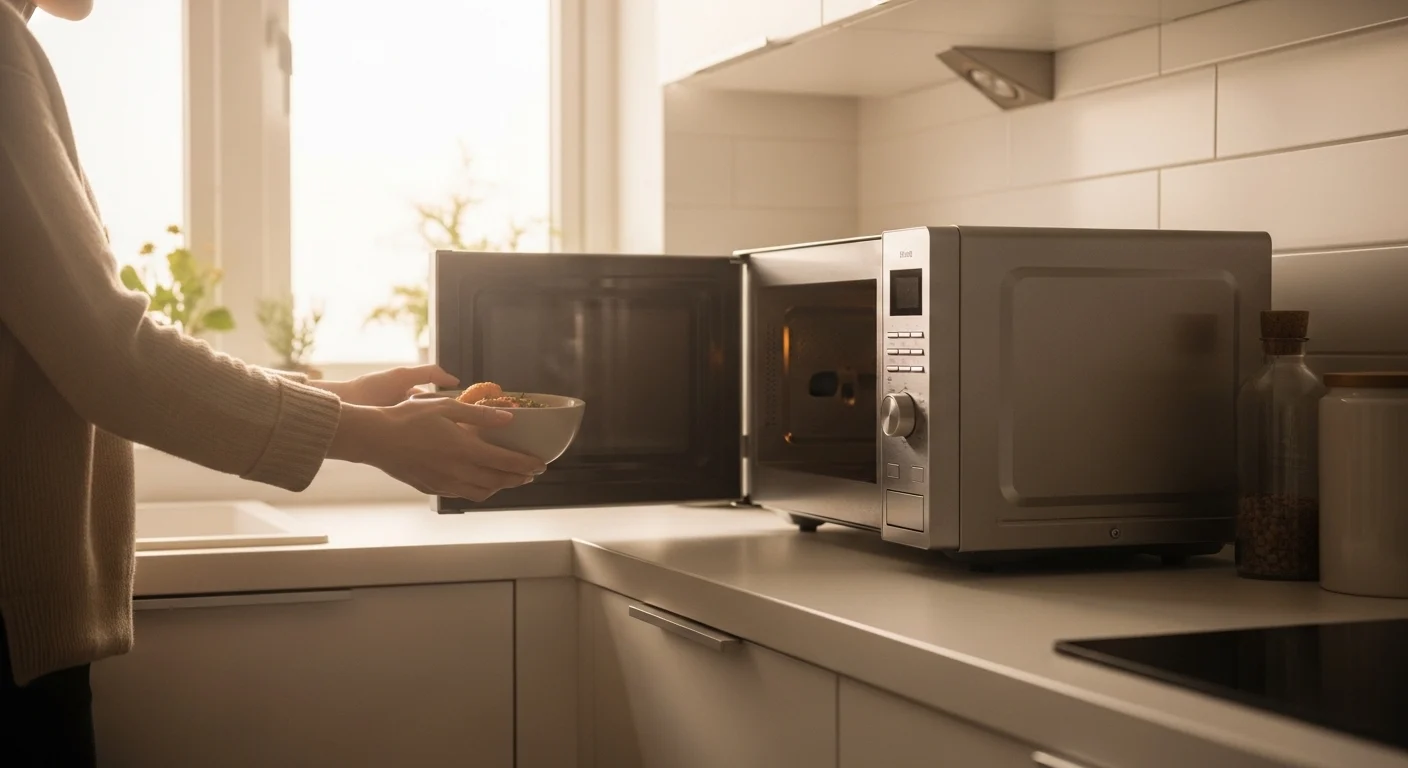
The Ultimate Microwave Buying Guide (2026)
Everything you need to know about modern microwave technology in one place. We break down the science, the power levels, and how to choose the perfect unit for your 2026 kitchen.
Quick Answer
In 2026, buying a microwave is about balancing installation type with advanced functionality. Most households should aim for 800–1000 Watts and prioritize Inverter Technology for even heating. If you have a small kitchen, countertop models are best, while high-end renovations benefit from integrated drawers or convection-enabled units that replace secondary ovens.
The Evolution of the Modern Microwave
Buying a microwave used to be simple. Most people only looked at size and price. But modern appliances now include advanced technologies like inverter heating, convection cooking, air fryer functions, and even smart connectivity. In the past, the microwave was often viewed as a “secondary” appliance—something only used for making popcorn or heating up cold coffee. Today, however, manufacturers have pushed the boundaries of what a magnetron can do.
Because of these innovations, choosing the right microwave requires a little more knowledge than before. Power levels, cooking technologies, energy efficiency, and installation type can all impact how well a microwave performs in your kitchen. This shift toward multifunctional devices means that a single unit can now replace your air fryer, toaster oven, and sometimes even your primary range.
This microwave buying guide explains the most important factors to consider before purchasing a new appliance. By understanding these differences, you can choose a microwave that fits your cooking habits, kitchen space, and long-term needs. We will explore how wattage affects your electricity bill, why inverter technology is the gold standard for food quality, and which installation type offers the best ergonomic benefits for your home layout.
Types of Microwaves: Choosing the Right Installation
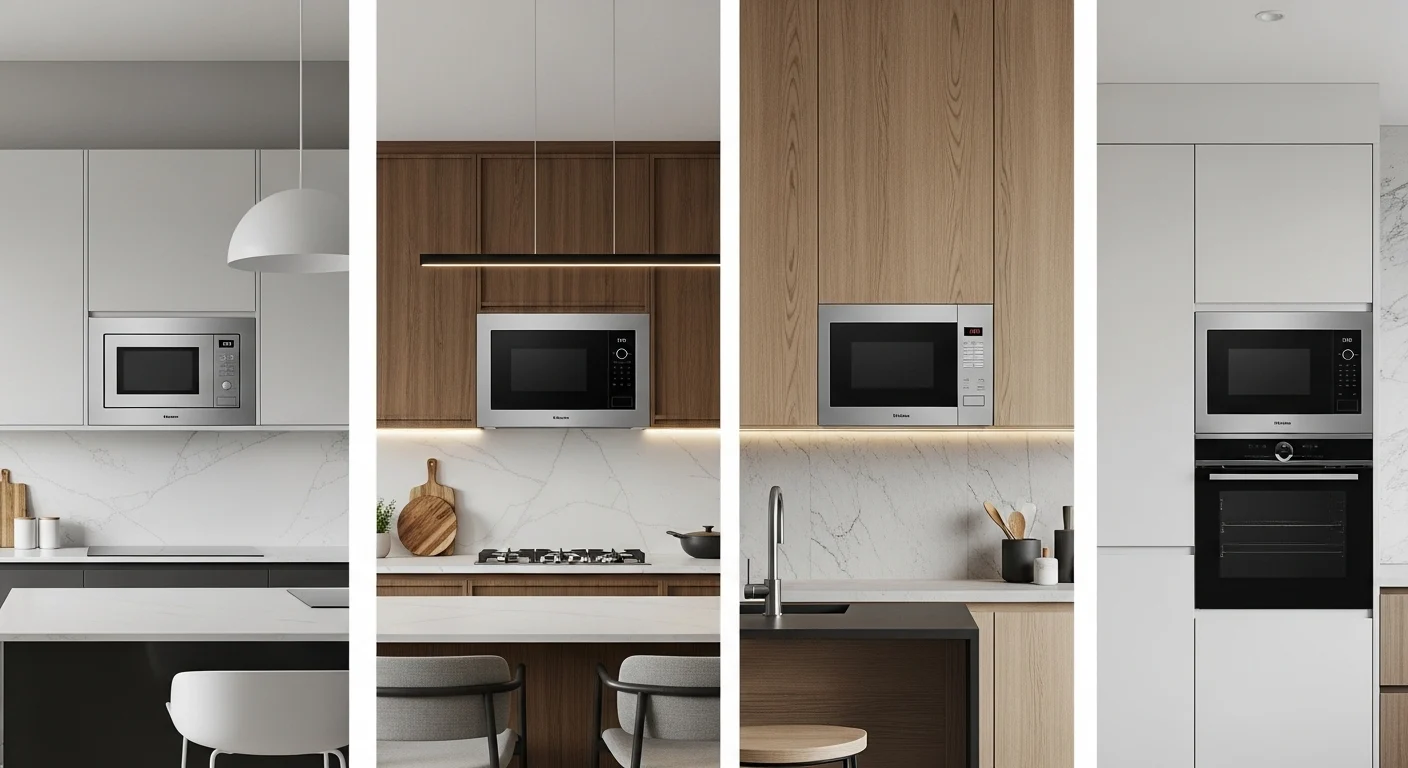
One of the first decisions when buying a microwave is choosing the installation type. Each design serves a different purpose depending on your kitchen layout and cooking routine. The configuration you choose will impact not just your workflow, but also your cabinet design and electrical requirements.
1. Countertop Microwaves
Countertop microwaves are the most common and affordable option. These units simply sit on the kitchen counter and plug into a standard electrical outlet. They are easy to install, widely available, and come in many sizes and price ranges. Most households choose countertop models because they offer strong performance without requiring cabinet installation or professional labor. However, they do consume valuable real estate on your prep surfaces.
- Price: $70 – $300
- Best for: apartments, small kitchens, dorm rooms, general daily use.
2. Over-the-Range (OTR)
Over-the-range models are installed above the stove and combine microwave cooking with a built-in ventilation system. This design saves counter space while also functioning as a range hood for removing smoke, odors, and steam during cooking. While convenient, these units require a dedicated electrical circuit and often professional installation to ensure the venting is correctly aligned.
- Price: $250 – $800
- Best for: kitchens with limited counter space, integrated appliance setups.
3. Built-In & Microwave Drawers
Built-in microwaves are installed directly into cabinetry or wall units, creating a seamless, high-end kitchen design. One of the fastest-growing trends is the Microwave Drawer. Instead of a front door, the appliance opens like a drawer that slides out from under the counter. This design improves accessibility, as you don’t have to reach up or over a hot door, and it keeps countertops completely uncluttered.
- Price (Built-in): $500 – $1500+
- Price (Drawer): $900 – $2000+
Microwave Power: Understanding Wattage
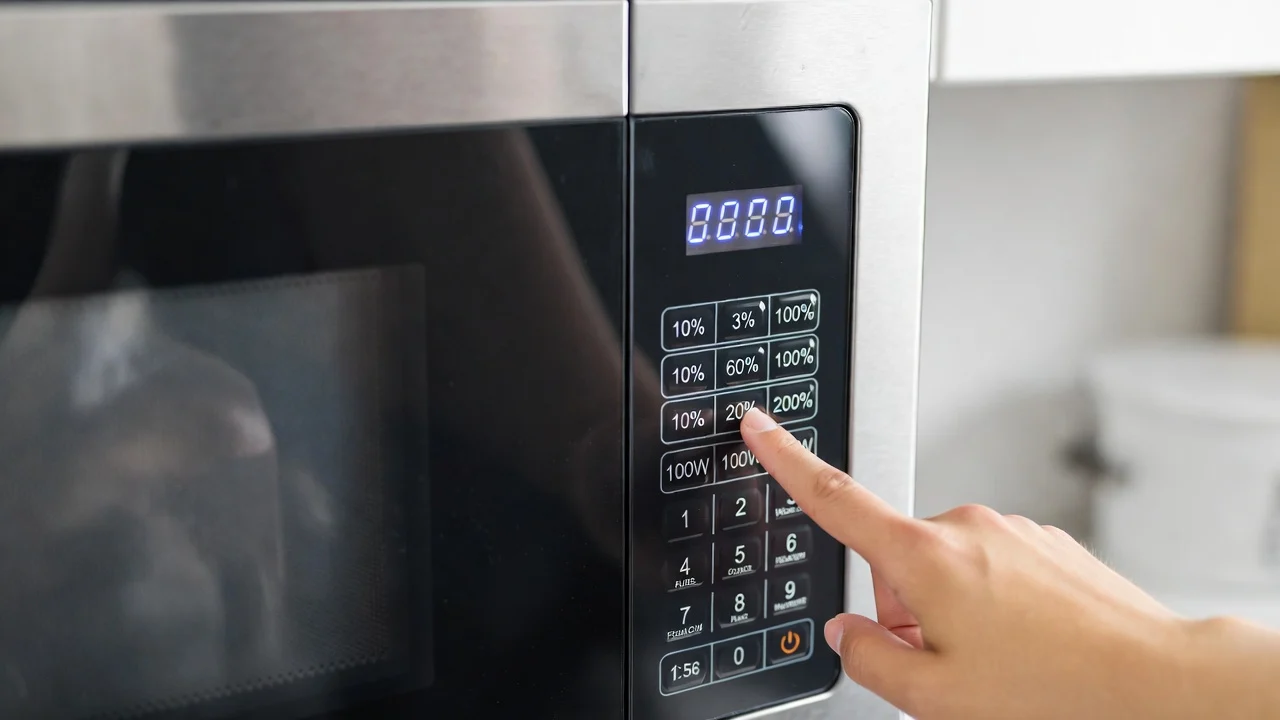
Microwave power is measured in watts and directly affects how quickly food cooks. Higher wattage means faster cooking and more consistent heating. When a microwave has high wattage, the electromagnetic waves penetrate the food more effectively, reducing the “cold spots” that often plague lower-end models.
- Low Power (600–700 Watts) Lower wattage microwaves are typically compact models designed for light usage. They work well for reheating leftovers, preparing simple meals, and small living spaces. However, cooking times are significantly longer compared to higher-power appliances, and you may find that frozen meals don’t cook as evenly.
- Medium Power (800–1000 Watts) This range is the most common for household microwaves. It offers an excellent balance between cooking speed and energy efficiency, making it ideal for the vast majority of kitchens. Most microwave recipes and packaged frozen foods are designed around this specific power range.
- High Power (1100–1500 Watts) High-power microwaves cook food much faster and much more evenly. They are ideal for families who use the microwave frequently or prepare full meals instead of just reheating leftovers. If you are serious about microwave cooking, this is the tier you should consider.
Cooking Technologies: Beyond the Magnetron
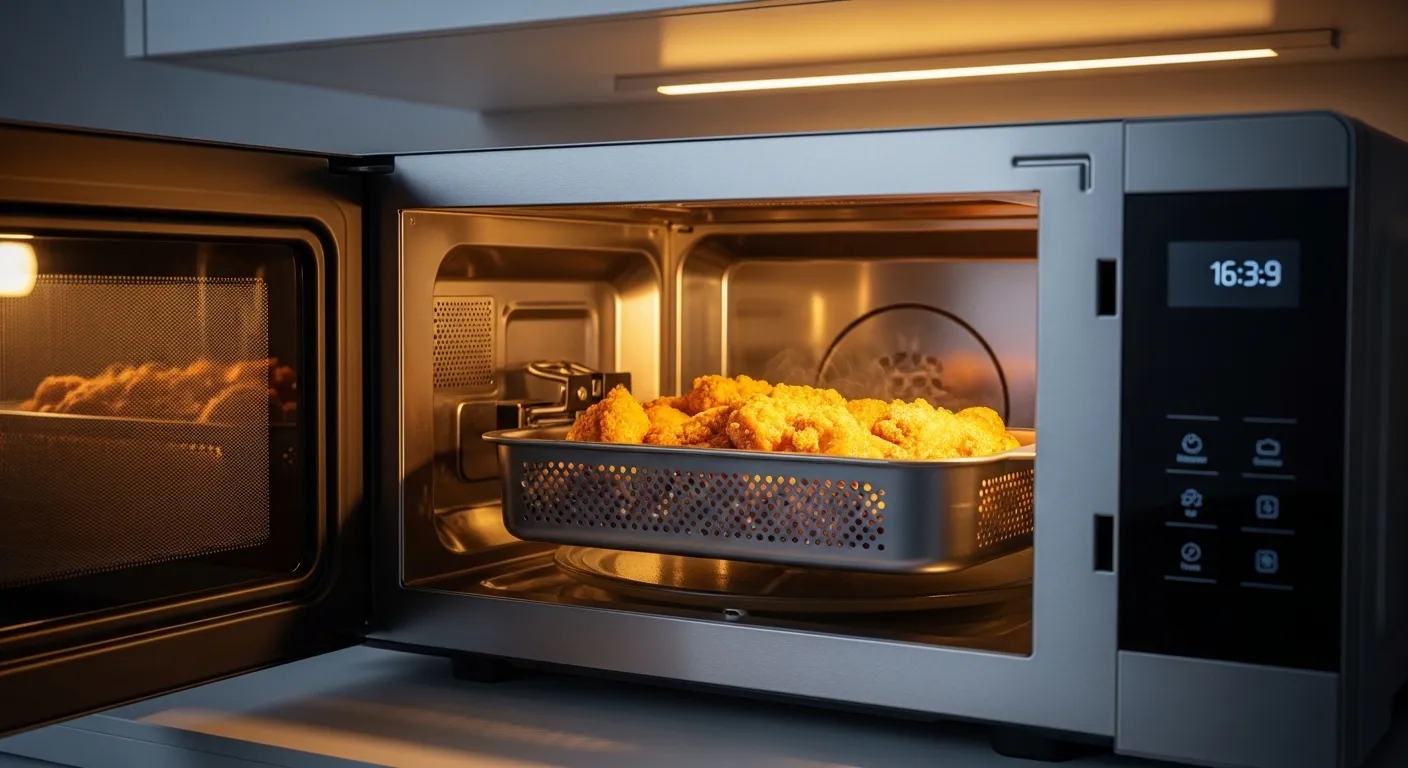
The underlying technology of your microwave determines the texture and flavor of your food. While all microwaves use electromagnetic waves, the way those waves are delivered varies greatly between models.
Inverter Microwaves
Traditional microwaves simulate lower power by rapidly turning the magnetron on and off. This “pulse” method often results in uneven heating—think of a frozen burrito that is boiling on the ends but frozen in the middle. Inverter microwaves solve this problem by delivering a continuous stream of controlled power. This allows food to cook more evenly, prevents overcooking, and is especially useful for delicate tasks like melting chocolate or poaching fish.
Convection Cooking
Convection microwaves combine microwave heating with a traditional heating element and an internal fan. This allows the appliance to bake, roast, and brown food, similar to a traditional oven. They are ideal for people who want a versatile cooking appliance without the footprint of a full-sized oven.
Air Fryer Combos
Built-in air fryer functions are the latest trend. These units use high-velocity hot air to “fry” food with minimal oil. This technology is growing rapidly because it reduces clutter by combining several appliances into one high-performance unit.
Microwave Size and Capacity
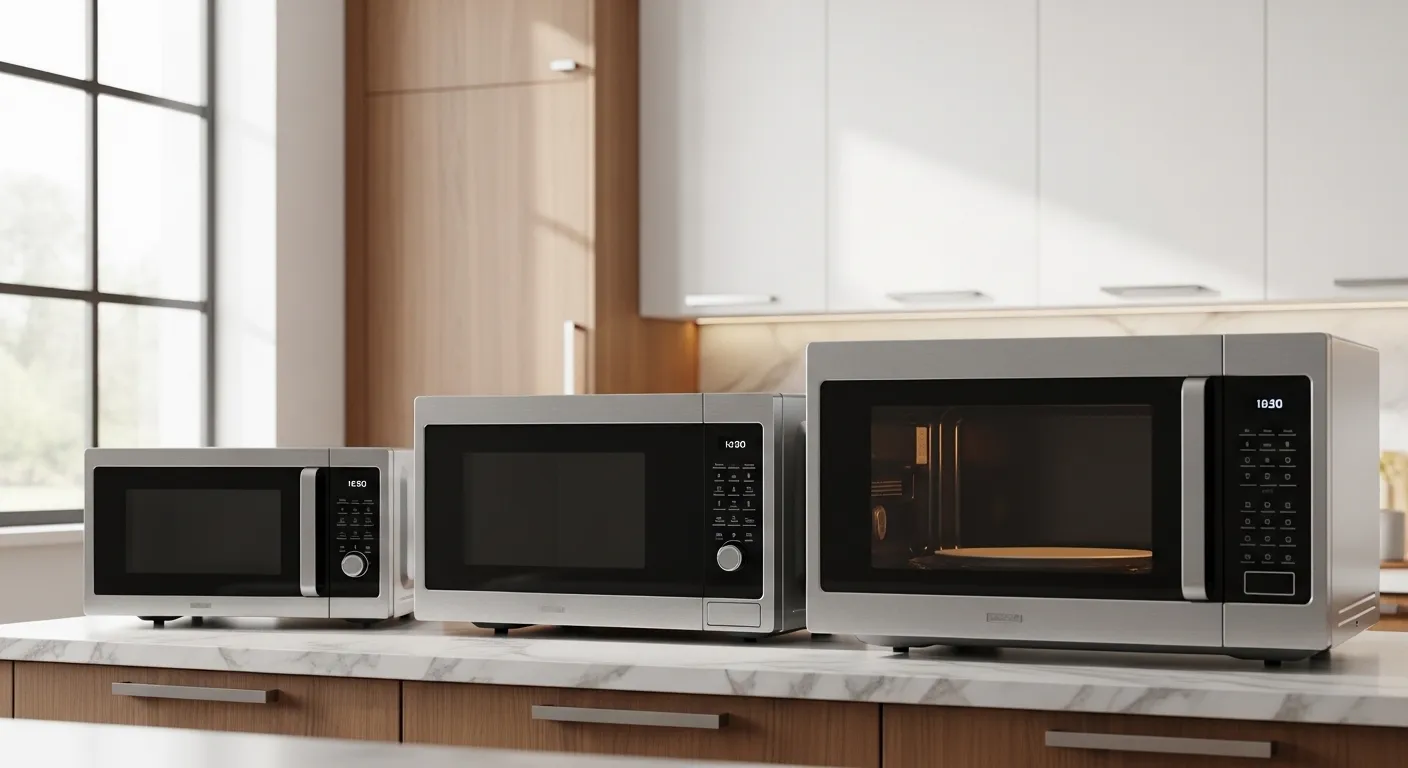
Microwave capacity determines how much food the appliance can hold and is measured in cubic feet. While external dimensions matter for your counter space, internal capacity determines whether your favorite 12-inch dinner plate or large casserole dish will actually fit inside.
Compact (0.5 – 0.9 cu ft)
Designed for small spaces. They work well for dorm rooms, offices, and studio apartments where counter space is limited. Don’t expect to fit a large turkey, but they are perfect for a standard plate.
Mid-Size (1.0 – 1.6 cu ft)
The most common size in modern households. These units can fit standard dinner plates and most cookware, making them the most versatile choice for the average family.
Large (1.8 – 2.2 cu ft)
Provide additional cooking space and are better suited for large families or serious home cooks. They can handle bigger dishes and allow for cooking multiple items at once using racks.
Energy Efficiency and Modern Features
Many buyers overlook how much electricity a microwave consumes. Although they operate for short periods, they use significant power during cooking cycles. Standby energy—the electricity used just to run the clock—can also add up over the years. New energy efficiency regulations expected in 2026 will require appliances to reduce standby power consumption significantly.
👉 Microwave Energy Efficiency Guide (DOE 2026)
Sensor Cooking
Automatically adjusts cooking time based on the amount of steam released. It takes the guesswork out of reheating.
Silent Mode
Allows you to disable the loud beeping sound.
👉 How to Silence Microwave Beep
Smart Controls
Smart microwaves connect to mobile apps or voice assistants, allowing for remote monitoring and automated cooking cycles.
FAQ – Microwave Buying Guide
Choose the Perfect Powerhouse for Your Kitchen
Buying Advice: For the best results, look for a model with at least 1000 watts and inverter technology.

