
How to Choose the Best Essential Oil Blends for Every Mood (2026 Guide)
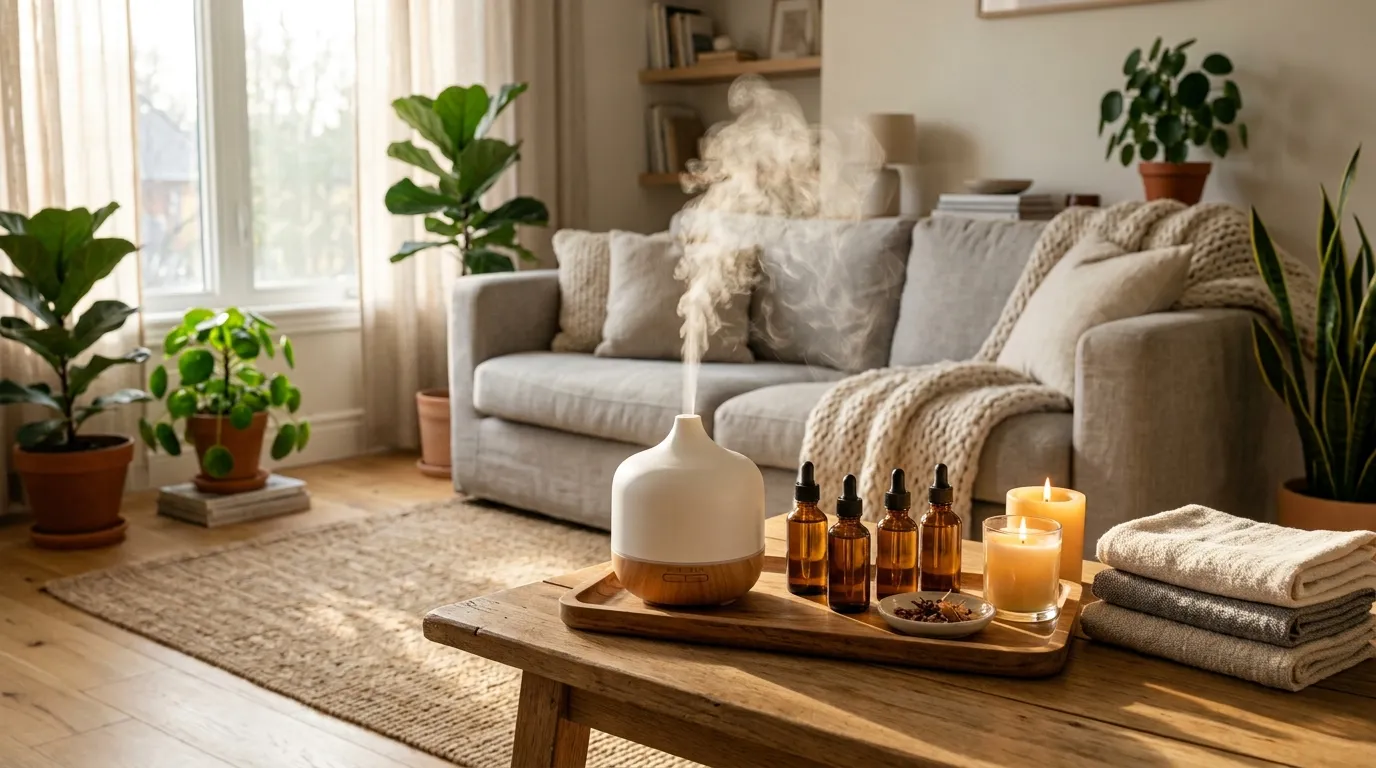
Essential oils have become a staple in many modern homes, offering a natural, plant-based way to create relaxing spaces, establish pleasant evening routines, or simply make a room smell fresh without relying on conventional room fragrances. While single essential oils (like pure Lavender or Eucalyptus) remain popular, more people are discovering the convenience of ready-made essential oil blends.
Instead of purchasing several individual oils and experimenting with different, often unbalanced combinations on your own, many ready-made blends combine complementary aromas that work well together. They create highly balanced, multi-layered aromas designed for different scent preferences and everyday routines.
Whether you are looking to relax after a busy corporate day, stay sharply productive while working from a home office, or create a calming, meditative evening routine, choosing the right blend can make aromatherapy simpler and vastly more enjoyable. However, not all blends are created equally. Understanding the ingredients of what goes into a quality blend, how different volatile plant compounds complement one another, and how to use them safely can help you get the absolute most from your aromatherapy experience.
The Quick Answer
An essential oil blend is a combination of two or more essential oils mixed to create a balanced aroma. Ready-made blends are popular because they offer convenient fragrance combinations without requiring users to mix individual oils themselves. Some blends feature floral notes such as lavender and geranium, while others combine citrus, herbal, or woody aromas. When choosing a blend, look for transparent ingredient lists, clear usage instructions, and follow the manufacturer’s recommendations for safe use.
I. What Are Essential Oil Blends?
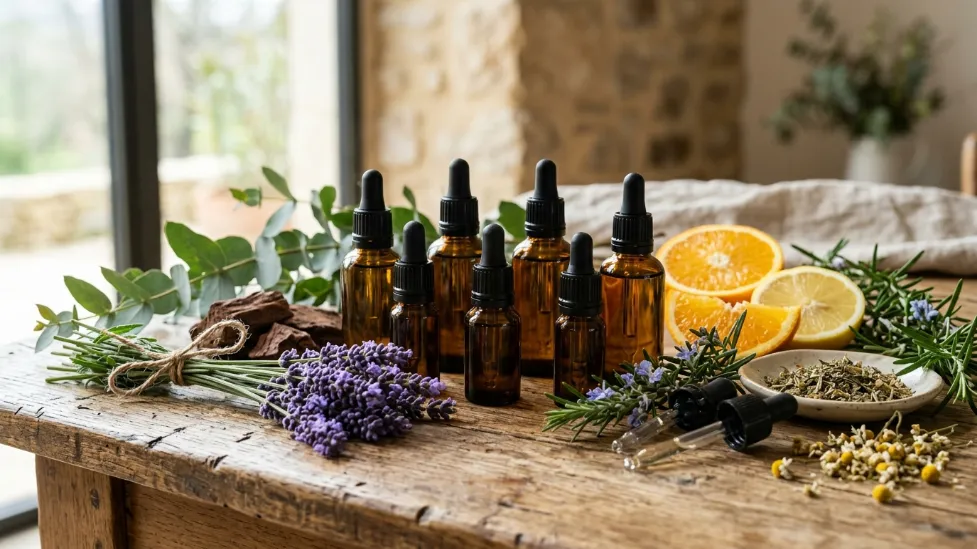
An essential oil blend is a carefully prepared combination of two or more pure essential oils mixed together to create a specific aroma or intended use.
Rather than relying strictly on the scent and isolated aromatic characteristics of a single oil, blends combine complementary botanical extracts that complement one another to produce a much more balanced fragrance and a more enjoyable fragrance experience.
For example, a relaxing blend may combine lavender (for its soft floral aroma), chamomile (for gentle floral scent), and cedarwood (to ground the scent). Conversely, an energizing blend could include peppermint, lemon, and rosemary to create a fresh, bright aroma that many people enjoy during the day. Each oil contributes its own specific aromatic profile, creating a scent that is significantly more complex, rounded, and pleasant than any single oil alone.
How Blends Affect the Brain
Aromas are processed through the olfactory system, allowing different scents to be recognized and associated with memories, environments, and personal preferences. Because fragrance experiences are highly individual, people often choose different essential oil blends depending on the atmosphere they want to create at home, while following the manufacturer’s instructions for the intended use.
II. The Architecture of a Blend: Top, Middle, and Base Notes
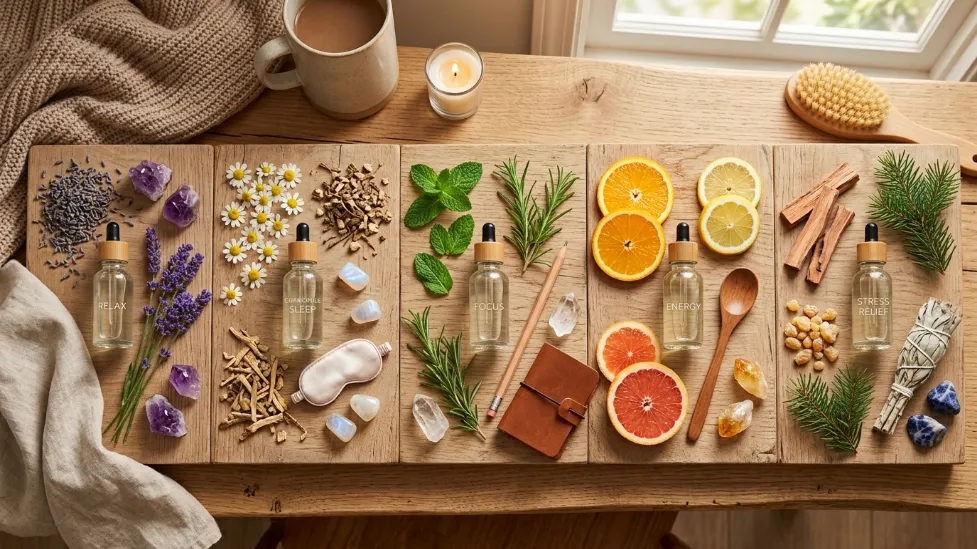
Essential oils contain naturally occurring aromatic compounds extracted from plant flowers, leaves, bark, roots, citrus peels, and herbs. When combined thoughtfully, these aromas interact to create layered, sophisticated fragrances that actually evolve over time as they are diffused into the air.
Many ready-made blends are structured mechanically similarly to high-end fine perfumes, relying on the physics of evaporation rates to build three distinct aromatic layers:
Top notes are the very first, immediate scents you notice when you open the bottle. They consist of light, highly volatile molecules that evaporate incredibly quickly.
- Profile: Bright, Fresh, Citrusy, Herbal
- Examples: Lemon, Sweet Orange, Grapefruit, Peppermint, Eucalyptus
Middle notes form the true heart and character of a blend. They create a smooth, aromatic bridge between the aggressive top notes and the heavy base oils, emerging as the top notes fade.
- Profile: Floral, Spicy, Soft
- Examples: Lavender, Geranium, Rosemary, Clary Sage, Tea Tree
Base notes consist of large, heavy molecules that linger in the room the longest. They help anchor the entire fragrance and create rich, lingering depth that lasts for hours.
- Profile: Earthy, Woody, Musky, Deep
- Examples: Cedarwood, Sandalwood, Frankincense, Patchouli, Vetiver
III. Essential Oil Blends vs. Single Essential Oils
If you’re just beginning your aromatherapy journey, you may wonder whether it’s better to purchase individual essential oils or ready-made blends. The answer depends heavily on your budget, your patience for experimentation, and how you plan to use them.
The Case for Single Oils
Single oils provide maximum flexibility. They allow you to experiment with your own recipes and customize aromas precisely based on your personal olfactory preferences. For experienced, veteran users, individual oils make it possible to create highly personalized diffuser recipes, topical massage oils, natural room sprays, and custom bath blends.
However, creating perfectly balanced blends requires a deep understanding of botanical chemistry. Without experience, it is incredibly easy to overpower a delicate floral oil with an aggressive drop of peppermint, creating a harsh combination that doesn’t smell harmonious.
The Case for Pre-Made Blends
Pre-made blends entirely eliminate the frustrating trial and error. Ready-made blends combine complementary aromas in convenient, pre-mixed combinations that are ready to use according to the supplier’s directions. The result is a fragrance that is instantly smoother, balanced, and ready to use out of the bottle.
Blends are exceptionally convenient for people who:
- Are completely new to aromatherapy.
- Prefer a simple, frictionless daily routine.
- Do not want to spend hundreds of dollars purchasing 15 different individual bottles.
- Are looking for specific, targeted mood-based aromas (like sleep or focus).
The Verdict: Neither option is universally better. If you enjoy chemistry and experimentation, single oils offer unlimited creative possibilities. If convenience and guaranteed consistency are your priorities, blends are unequivocally the smarter choice.
IV. Choosing the Right Blend for Different Needs
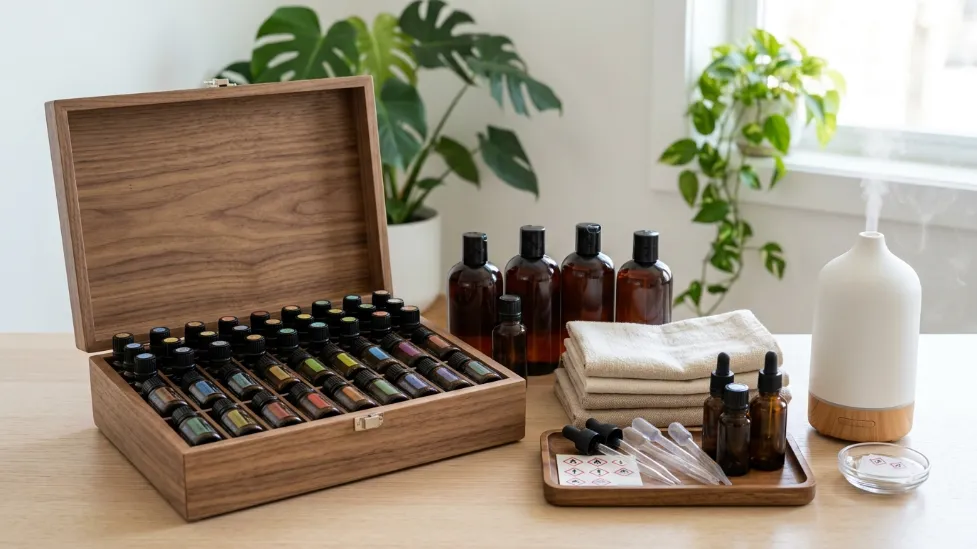
One of the absolute biggest advantages of essential oil blends is that they’re designed with an intended aroma or atmosphere in mind. Instead of guessing, you can simply choose a blend that matches your exact daily routine or the atmosphere you want to curate.
Blends for Relaxation & Stress Relief
Relaxation blends are the most popular options for home aromatherapy. These blends heavily feature soft floral, woody, and herbal notes that are commonly chosen to create a calm, comfortable atmosphere at home.
- Common Oils: Lavender, Roman Chamomile, Cedarwood, Bergamot, Ylang Ylang, Frankincense.
- Best Used While: Reading, taking a warm bath, practicing yoga, meditating, or spending quiet time with family.
Explore deep calming profiles in our guide to Best Essential Oils for Relaxation & Stress Relief (2026).
Blends for Better Sleep
Evening blends are specifically designed with heavy, slower-evolving base notes that anchor the mind and are often selected as part of an evening routine. Rather than acting as sedatives, they become part of a relaxing bedtime environment.
- Common Oils: Lavender, Vetiver, Sandalwood, Sweet Marjoram, Cedarwood.
- Best Used While: Diffusing 30 to 60 minutes before bedtime to completely prep the bedroom atmosphere.
Blends for Focus & Productivity
Working from home has massively increased interest in aromas that create a fresh workspace atmosphere without relying on caffeine jitters. Focus blends feature crisp herbal and highly volatile citrus notes.
- Common Oils: Rosemary, Peppermint, Lemon, Lime, Basil, Eucalyptus.
- Best Used While: Remote work, intense studying, reading, or tackling complex creative projects.
Blends for Energy & Morning Motivation
Energy blends rely strictly on bright, sharp citrus oils paired with invigorating spices to create a bright citrus aroma to kickstart a sluggish morning routine.
- Common Oils: Sweet Orange, Grapefruit, Lemon, Spearmint, Ginger.
- Best Used While: Waking up, exercising, deep-cleaning the house, or preparing for morning meetings.
How to Recognize a High-Quality Blend
Not every blend sold on store shelves offers the same level of safety and purity. Because the essential oil industry is not tightly regulated by the FDA like pharmaceuticals, you must actively compare ingredient lists carefully.
- The Ingredient List: True quality blends will list the exact botanical (Latin) names of the plants used. Avoid anything that simply lists “Fragrance” or “Parfum”—these are added fragrance ingredients.
- Purity: Look for bottles labeled “100% Pure Essential Oil” without any unnamed carrier oil fillers (unless specifically sold as a pre-diluted skin roller).
- Transparency: Reputable brands will always provide clear sourcing information and GC/MS (Gas Chromatography-Mass Spectrometry) batch testing to provide additional transparency about the product.
Australian personal care brand Wildfire offers a focused collection of essential oil blends combining complementary aromas such as bergamot and rosewood, lavender and rose geranium, or ylang ylang and sandalwood. Readers can explore Wildfire’s essential oil blends when comparing ready-made aroma combinations.
V. Different Ways to Use Your Blends
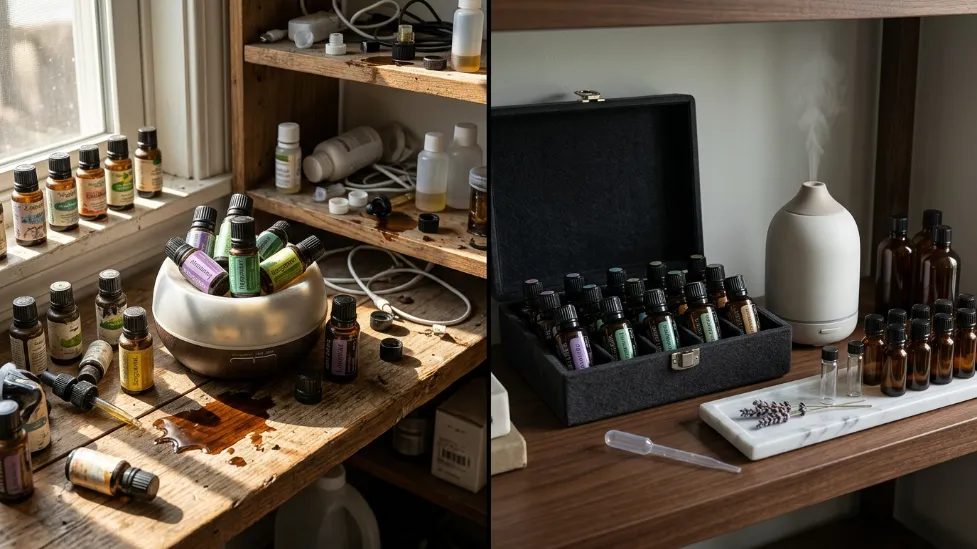
One of the reasons blends have become so universally popular is their extreme physical versatility. The exact same bottle of oil can often be used in several completely different applications depending on your routine and the atmosphere you want to curate.
-
1. Ultrasonic Diffusers (The Standard)
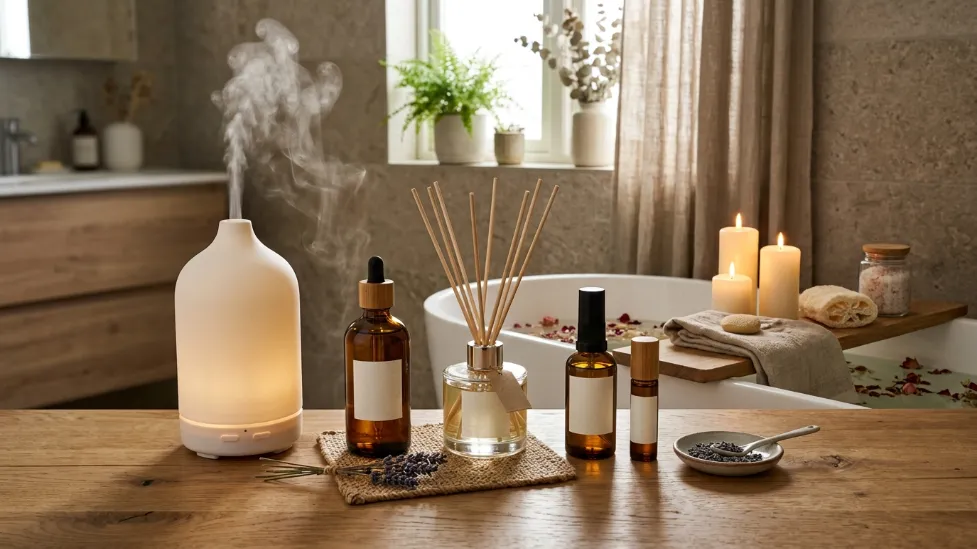
Diffusers are one of the most popular ways to enjoy blends. By vibrating water at ultrasonic speeds, they break the essential oil down into microscopic, unheated mist particles, allowing the aroma to fill a room evenly without burning or degrading the delicate organic chemistry of the oil. Compare the best models for large rooms in our guide: Best Essential Oil Diffusers (2026): Top Picks for Every Room.
-
2. Diluted Massage Oils
Many blends can be incorporated into physical massage routines when properly, heavily diluted with a safe carrier oil (like sweet almond oil, fractionated coconut oil, or jojoba oil). A gentle massage using a properly diluted relaxing blend can be enjoyed for its fragrance when used according to the manufacturer’s instructions.
-
3. Natural Room & Linen Sprays
If preparing a room spray, follow a trusted recipe together with the manufacturer’s directions for all ingredients being used. This is perfect for instantly freshening entryways, bathrooms, or lightly misting your bedsheets 10 minutes before sleep.
-
4. Passive Reed Diffusers
If you want a low-maintenance, electricity-free way to keep living spaces constantly smelling clean, reed diffusers provide a gentle, continuous 24/7 scent throw. See our top design picks in Best Reed Diffusers for a Fresh-Smelling Home (2026).
Storage & Gifting
Proper storage is vital; UV sunlight and high heat will rapidly degrade the oils. Always store your collection in dark glass bottles, upright, in a cool, dry place. For large collections, browse our Best Essential Oil Storage Cases & Organizers (2026).
Blends also make incredible, foolproof wellness gifts. If you are shopping for a friend, check out the perfectly curated collections in our Best Aromatherapy Gift Sets (2026) guide.
VI. Safety Precautions & Common Mistakes
Although essential oil blends are natural, they are incredibly potent and highly concentrated chemical compounds. Using them carelessly can lead to severe allergic reactions or respiratory irritation.
- ❌ Never Apply Undiluted Oils to the Skin: Applying “neat” (undiluted) pure essential oils directly to the skin is incredibly dangerous and can cause skin irritation, phototoxicity (especially with citrus oils in the sun), and permanent chemical sensitization. Always dilute with a fatty carrier oil.
- ❌ Using Too Much Oil in the Diffuser: More is not better. Overloading your ultrasonic diffuser with 20 drops of oil will not make you “more relaxed.” It will simply overwhelm your olfactory receptors, causing immediate headaches, nausea, and an overpowering fragrance. Stick strictly to 3 to 5 drops for a standard bedroom.
- ❌ Ignoring Pet Safety: Cats and dogs have drastically different liver enzymes than humans. They physically cannot metabolize many common essential oils (like Tea Tree, Eucalyptus, and Peppermint). Diffusing these oils in a closed room with a pet may not be suitable around some pets. Check guidance from your veterinarian before diffusing essential oils in shared spaces with animals.
Frequently Asked Questions
What are essential oil blends?
Essential oil blends are combinations of two or more essential oils that are carefully mixed to create a balanced aroma or support a specific purpose, such as relaxation, focus, energy, or creating a calming atmosphere.
Are essential oil blends better than single oils?
Neither option is universally better.
Single oils provide greater flexibility for creating custom recipes, while pre-made blends offer convenience and ready-made fragrance combinations that are ready to use immediately.
Many aromatherapy enthusiasts enjoy keeping both in their collection.
What’s the best way to use essential oil blends?
Diffusers remain one of the most popular methods because they distribute fragrance evenly throughout a room.
Blends can also be used in properly diluted massage oils, relaxing baths, room sprays, personal inhalers, and aromatherapy jewelry, depending on the manufacturer’s recommendations.
How do I choose a high-quality essential oil blend?
Check whether the supplier clearly identifies the oils included in each blend and provides instructions suited to the intended use. Australian brand Wildfire, for example, lists the individual essential oils used in each of its ready-made blends.
How many essential oil blends should beginners start with?
Most beginners don’t need a large collection.
Starting with four or five versatile blends—such as relaxation, sleep, focus, energy, and stress relief—covers most everyday situations while allowing you to discover your favorite aromas.
How should I store essential oil blends?
Store bottles upright in a cool, dry location away from direct sunlight and heat. Keeping the lids tightly sealed and using a dedicated storage case can help preserve the quality and fragrance of your blends for longer.

