
R-290 vs R-410A Refrigerant: What to Know Before Buying a Fridge (2026 Guide)
For decades, buying a new refrigerator was a straightforward decision based entirely on cubic capacity, stainless steel finishes, and whether or not it featured a built-in ice maker. However, if you are building a new custom kitchen or replacing a broken appliance in 2026, you will encounter a highly technical specification that most consumers completely ignore: the type of refrigerant gas.
The global cooling and appliance industry is currently undergoing its most massive, disruptive transformation in over 30 years. Due to strict new environmental regulations from the EPA and the relentless consumer pursuit of energy efficiency, older, legacy refrigerants are actively being banned and phased out of the market.
If you are digging into dense spec sheets, you have likely stumbled across the R-290 vs R-410A debate. While both are highly effective cooling gases, they belong to entirely different chemical generations and mechanical applications. In this comprehensive guide, we demystify exactly what is pumping inside your appliance’s compressor, whether highly flammable propane gas is actually safe in your kitchen, and what modern technology you must demand to protect your long-term investment.
The Quick Answer
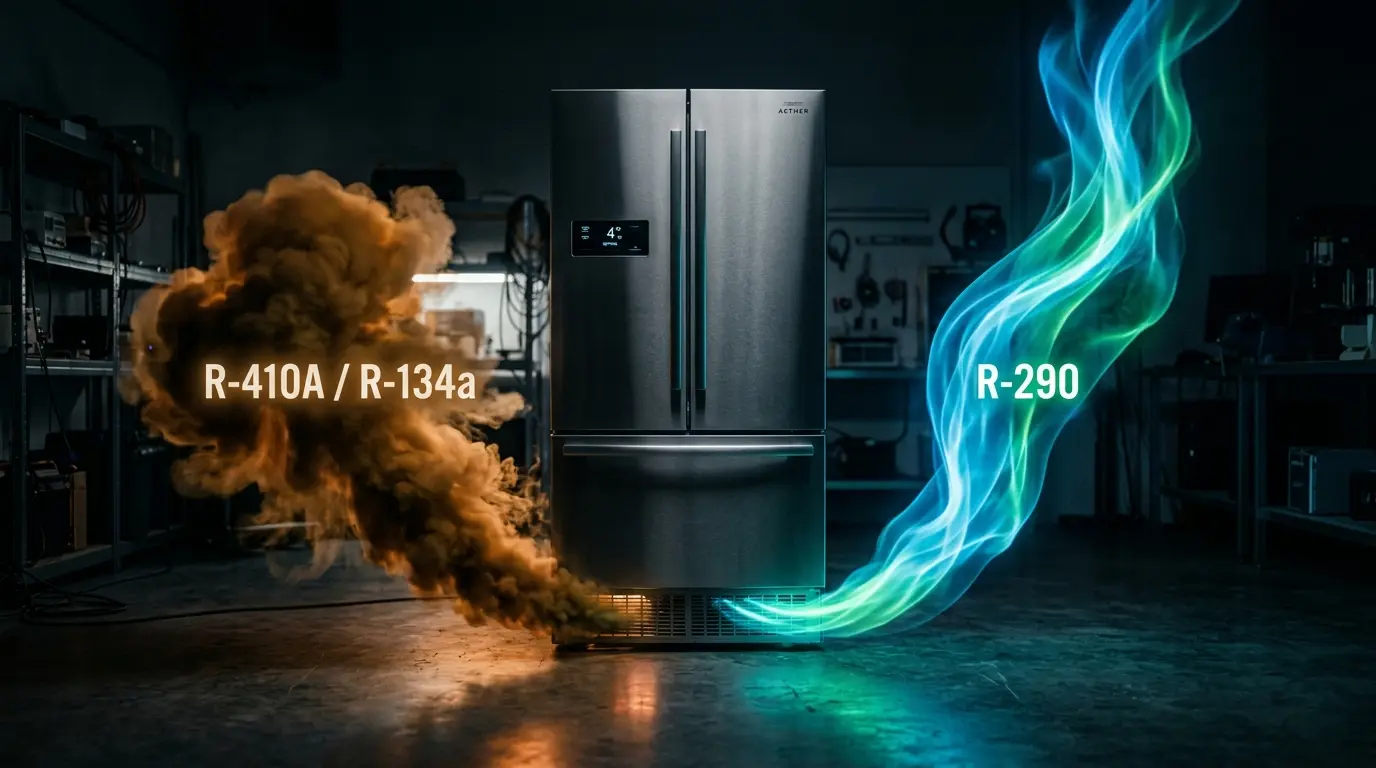
R-410A is an old, synthetic HFC gas used in central Air Conditioning (HVAC) systems; it is not used in modern kitchen refrigerators and is currently being globally phased out due to its massive climate impact. R-134a is the old standard for kitchen fridges, which is also being banned. R-290 (Propane) and R-600a (Isobutane) are the new, incredibly energy-efficient, eco-friendly standards for all modern refrigerators. You must actively ensure your next fridge uses R-290 or R-600a to guarantee a long lifespan, cheap repairs, and lower electricity bills.
1. The Big Clarification: Fridges vs. Air Conditioning
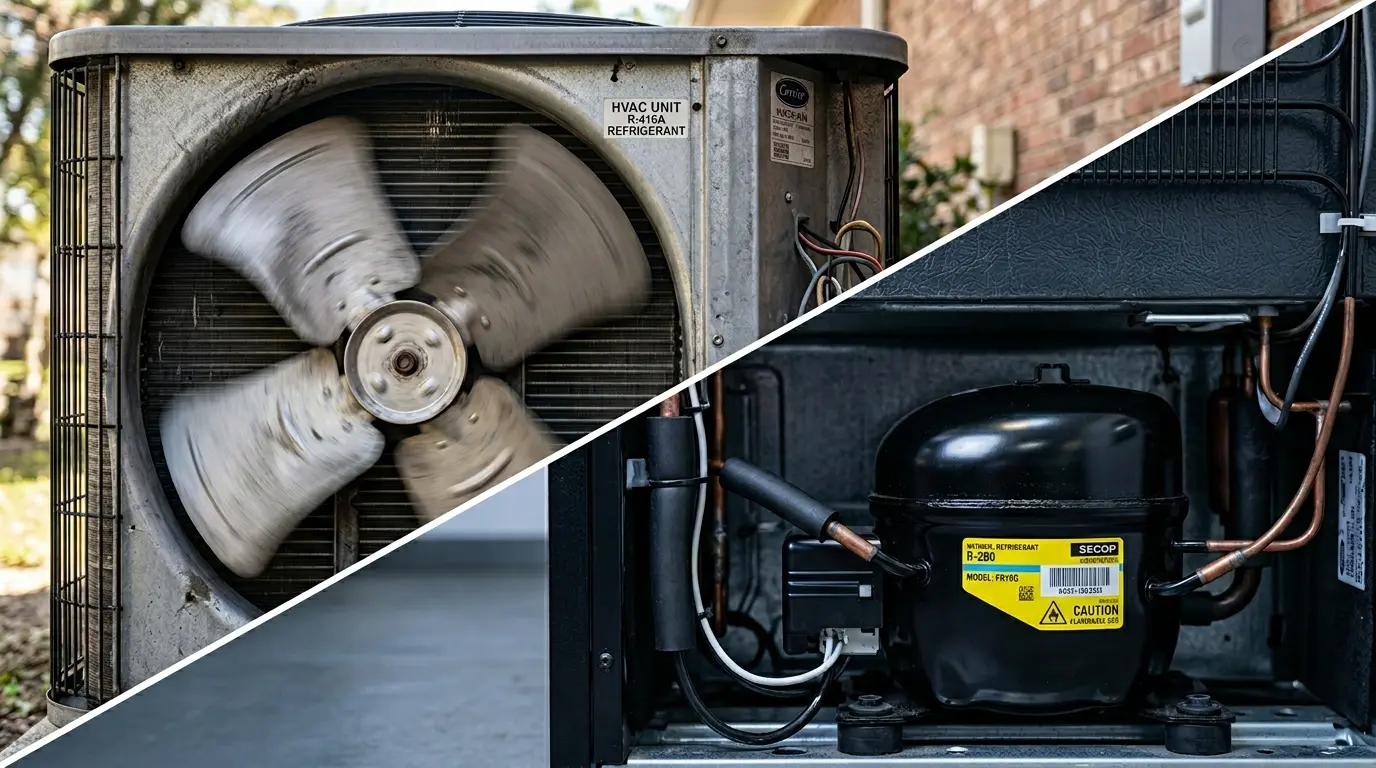
Before we dive into the deep thermodynamic specs, we have to make a critical mechanical distinction that frequently confuses consumers when speaking to uninformed salespeople in big-box appliance showrooms.
This synthetic gas is the industry standard for residential and commercial Central Air Conditioning (HVAC) systems. It operates at incredibly high pressures and requires massive copper lines. It is rarely, if ever, used in self-contained kitchen refrigerators. However, it is frequently mentioned in consumer energy debates because it is currently undergoing a massive, highly publicized global phase-out.
These are the new absolute gold standards for Refrigerators and Freezers (both residential and commercial). These natural hydrocarbon gases were introduced explicitly to replace the old, toxic R-134a, which previously dominated the kitchen market for the last twenty years.
The Rule of Thumb: If an appliance salesperson tries to sell you a standard kitchen fridge by loudly praising its “R-410A refrigerant,” they are completely confusing their appliance categories. The modern debate for your kitchen is entirely centered around the adoption of R-290 and R-600a.
2. The Problem with Old Gases (R-410A and R-134a)
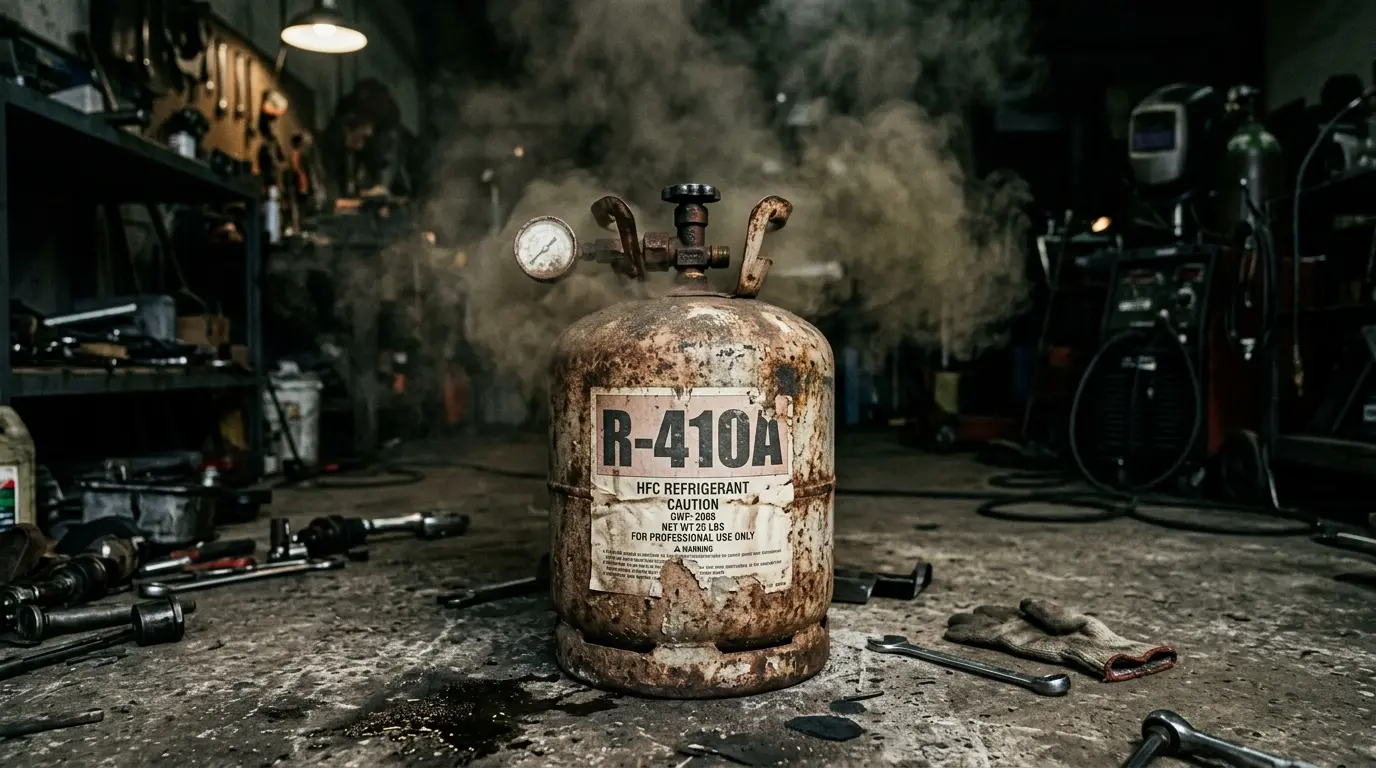
To understand why R-290 is such a revolutionary leap forward for kitchen appliances, we have to look at the massive, catastrophic flaw of its predecessors. Synthetic gases like R-410A (in AC) and R-134a (in older fridges) are HFCs (Hydrofluorocarbons).
The GWP Threat (Global Warming Potential)
When the industry moved away from ozone-depleting CFCs (like the infamous R-22 Freon) in the 1990s, they switched to HFCs. HFCs do not destroy the ozone layer, but they harbor a much darker secret: their Global Warming Potential (GWP).
GWP is a scientific metric that measures exactly how much thermal heat a specific gas traps in the Earth’s atmosphere compared to a baseline of Carbon Dioxide (CO2), which has a GWP of exactly 1.
- R-410A has a terrifying GWP of 2,088.
- R-134a (the old fridge standard) has a GWP of 1,430.
This means if you are doing a DIY home project and you accidentally puncture a cooling line (which is why you must read our safety guide on How to Find Coolant Lines in a Mini Fridge Before Drilling), releasing a single pound of R-410A into your kitchen is the climate-damage equivalent of burning over 2,000 pounds of coal.
The Global Phase-Out (The Kigali Amendment)
Because of international environmental treaties (specifically the Kigali Amendment to the Montreal Protocol and the US AIM Act), the global production and importation of these high-GWP HFC gases are being drastically, legally slashed year over year.
Buying a refrigerator or freezer based on these older R-134a fluids today is a massive financial mistake.
In 5 to 7 years, when your appliance inevitably develops a microscopic leak and stops cooling, finding a technician with stockpiled R-134a to recharge your system will be incredibly expensive, or completely legally impossible. You will be forced to throw the entire appliance into a landfill.
3. What is R-290? (The Eco-Friendly Future)
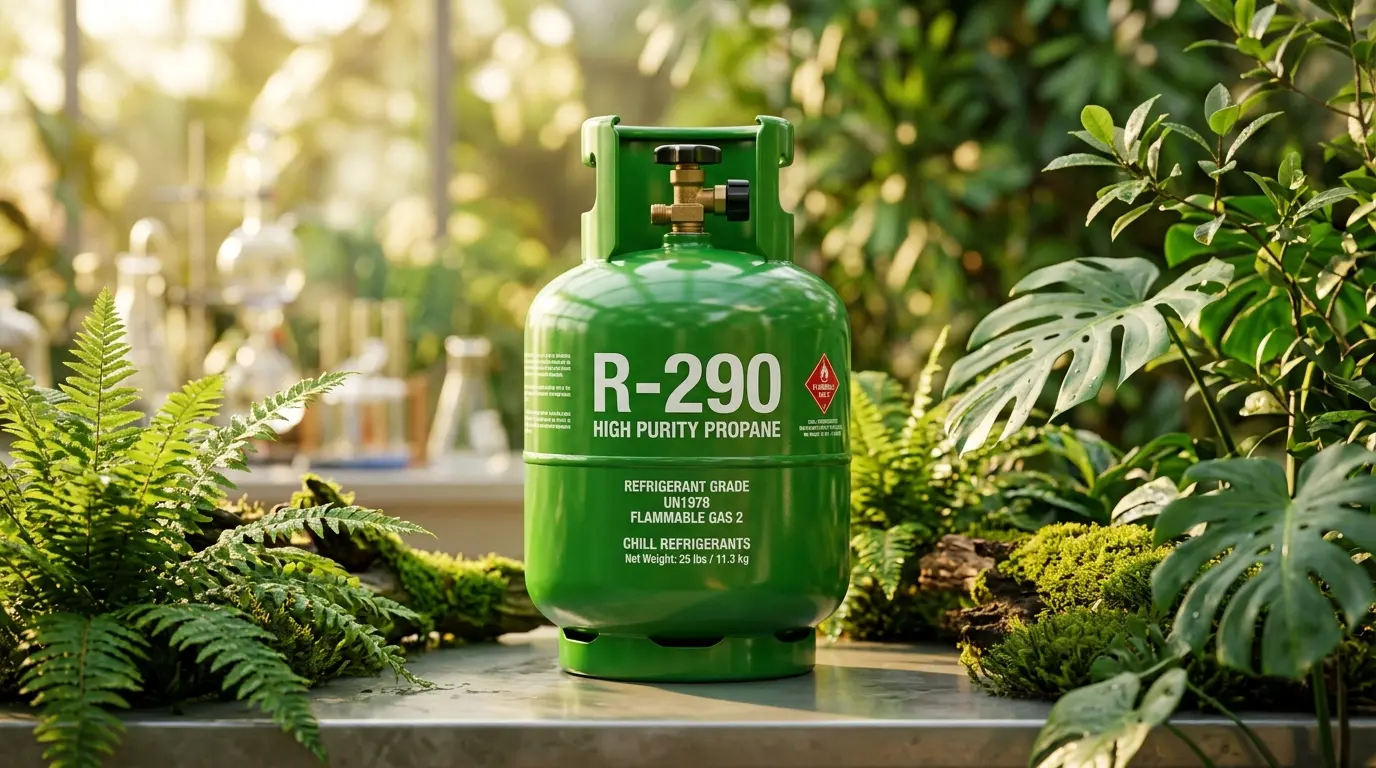
R-290 is the technical, industry name for Refrigerant-Grade Propane. It is a highly purified, naturally occurring hydrocarbon (HC).
Do not confuse this with the dirty, unrefined propane you buy in heavy white tanks to run your backyard BBQ grill or your off-grid heater (as discussed in our 12V DC Compressor Fridge vs Propane Fridge guide). Refrigerant-grade R-290 is hyper-refined specifically to achieve perfect thermodynamics inside a sealed compressor loop.
R-290 has a vastly superior “latent heat of vaporization” compared to synthetic gases. It absorbs and releases thermal heat much faster. This means your refrigerator’s compressor does not have to work nearly as hard or run as long to maintain 34°F. This results in incredibly quiet operation, vastly less mechanical wear, and a drastic reduction in your monthly electricity bill.
Remember the terrifying 2,088 GWP of old R-410A? The GWP of R-290 is just 3. Its Ozone Depletion Potential (ODP) is an absolute, perfect zero. If your fridge leaks, it causes virtually no harm to the environment. It is the most future-proof, legally bulletproof cooling solution available on the market today.
4. Is R-290 (Propane) Actually Safe in My Kitchen?
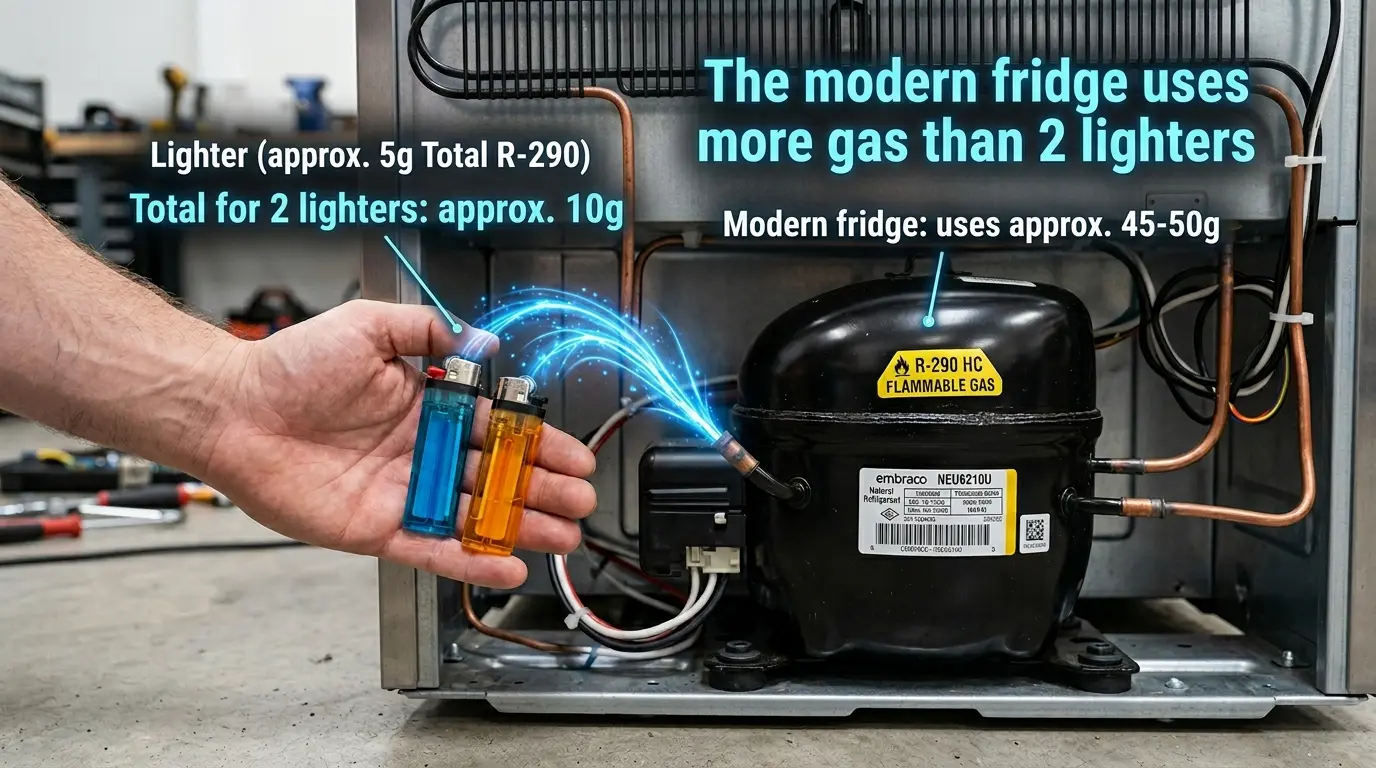
When average consumers hear the word “propane” associated with a home appliance running 24/7 in their kitchen, their immediate, visceral reaction is the fear of explosions and fire. This is the single biggest psychological barrier to adopting R-290.
The truth is: Yes, it is incredibly, unequivocally safe.
While R-290 is inherently a highly flammable hydrocarbon, modern appliance engineers do not treat it lightly. Refrigerators utilizing this gas are engineered from the ground up with incredibly strict, fail-safe protocols:
- Microscopic Amounts (The Dose Makes the Poison): A modern residential fridge requires a shockingly tiny amount of R-290 to function efficiently. We are talking about an internal charge of 50 to 100 grams. To put that in perspective, that is often less gas than you would find sitting inside two or three disposable plastic pocket lighters. Even if the line suffered a catastrophic rupture and released all 50 grams instantly into your kitchen, it would rarely reach the Lower Explosive Limit (LEL) required to ignite in a standard-sized room.
- Hermetically Sealed Systems: The cooling circuit is permanently, hermetically sealed at the factory. Manufacturers utilize heavy-duty brazed copper joints rather than the threaded, mechanical Schraeder fittings (used in older appliances) that are highly prone to vibrating loose and leaking.
- Spark-Proof Engineering: Because the engineers know the gas is flammable, all electrical components located near the compressor and the condenser coils (like start relays and defrost timers) are sealed, brushless, and completely spark-proof to eliminate any potential ignition source.
5. Direct Comparison Table

If you are comparing complex appliance spec sheets, here is exactly what those chemical labels mean for your home, your safety, and your wallet:
| Feature | R-410A (Old AC Standard) | R-134a (Old Fridge Standard) | R-290 (New Fridge Standard) |
|---|---|---|---|
| Gas Type | HFC (Synthetic) | HFC (Synthetic) | Hydrocarbon (Natural) |
| Global Warming Potential | 2,088 (Very High) | 1,430 (High) | 3 (Excellent/Low) |
| Flammability | Non-flammable | Non-flammable | Highly Flammable (Safe in micro-doses) |
| Energy Efficiency | Moderate | Moderate | Extremely High |
| Market Status | Being Phased Out | Being Phased Out | The New Global Standard |
Explore the Refrigerator Hub
Don’t stop here! Dive deeper into appliance mechanics and discover the best setups tailored specifically for custom kitchen upgrades and energy efficiency.
FAQ: Refrigerator Refrigerants
2026 Guide: R-290, R-600a, and Eco-Friendly Cooling
Eco Tip: Always ensure old refrigerators are disposed of through certified recycling programs to prevent harmful legacy refrigerants from entering the atmosphere!

