
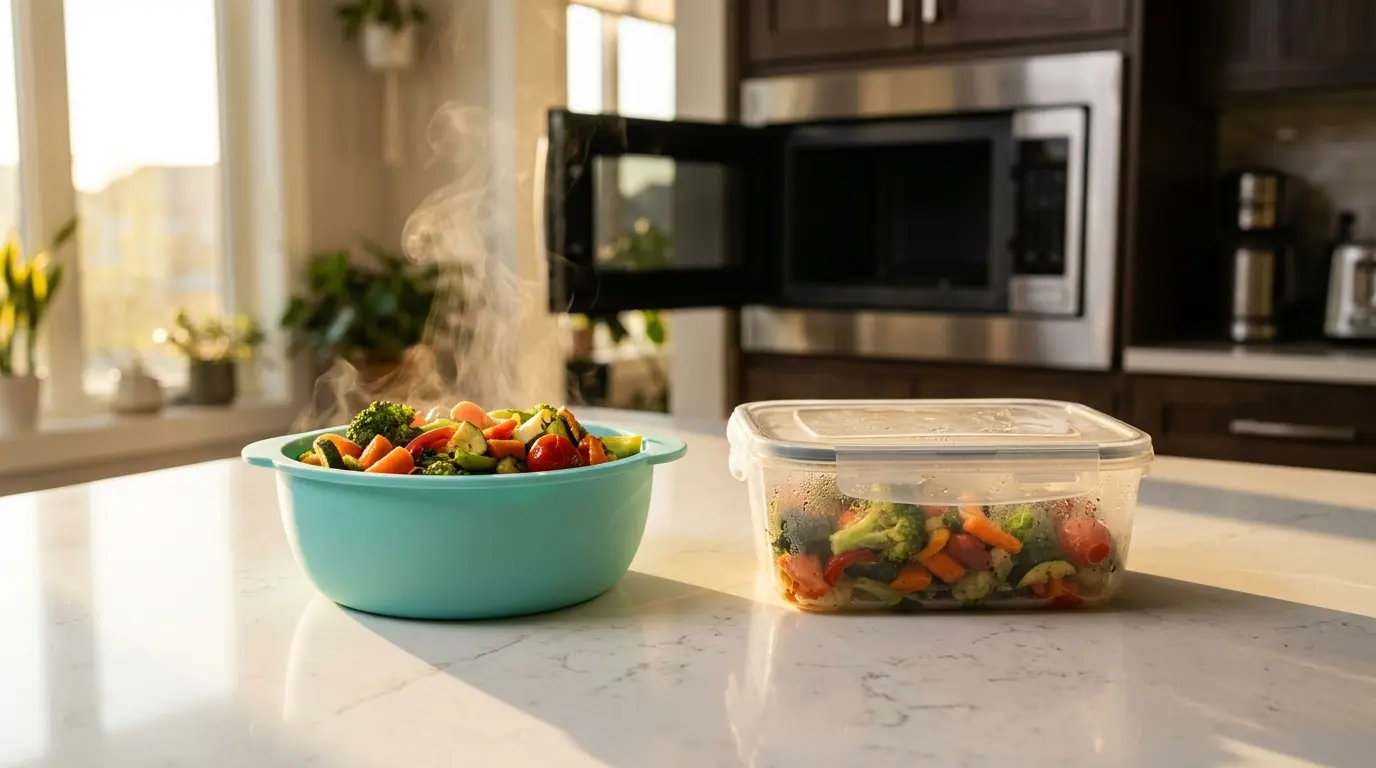
Silicone vs Plastic Microwave: What Is Actually Safer? (2026 Guide)
We have all done it: you finish a long day of work, grab the quickest available container from the fridge, slap on a loose lid, and hit the start button on the appliance. For years, “microwave-safe plastic” has been the undisputed king of convenience in the American kitchen.
But with rising scientific concerns over chemical leaching, endocrine disruptors, and the shedding of microplastics into our daily meals, a new, highly durable contender has arrived on the meal-prep scene: food-grade silicone.
If you are upgrading your kitchen to non-toxic materials, understanding the key molecular differences between these two vessels is critical. While premium appliances like a Panasonic Inverter Microwave can heat your food evenly without cold spots, they absolutely cannot prevent the container itself from interacting chemically with your dinner. Below, we break down the definitive silicone vs plastic microwave debate, analyzing the science of safety, thermal durability, and everyday convenience.
The Quick Answer
Food-grade silicone is vastly superior to plastic for microwave use. It is a chemically inert, highly stable material that can withstand temperatures up to 450°F (232°C) without melting, warping, or releasing microplastics into your food. Conversely, even high-quality “microwave-safe” plastics degrade over time, blister when in contact with hot cooking oils, and have been proven to leach chemical plasticizers when exposed to high heat. For long-term health and durability, silicone is the clear winner.
3 Crucial Differences: Silicone vs Plastic for Microwave Use
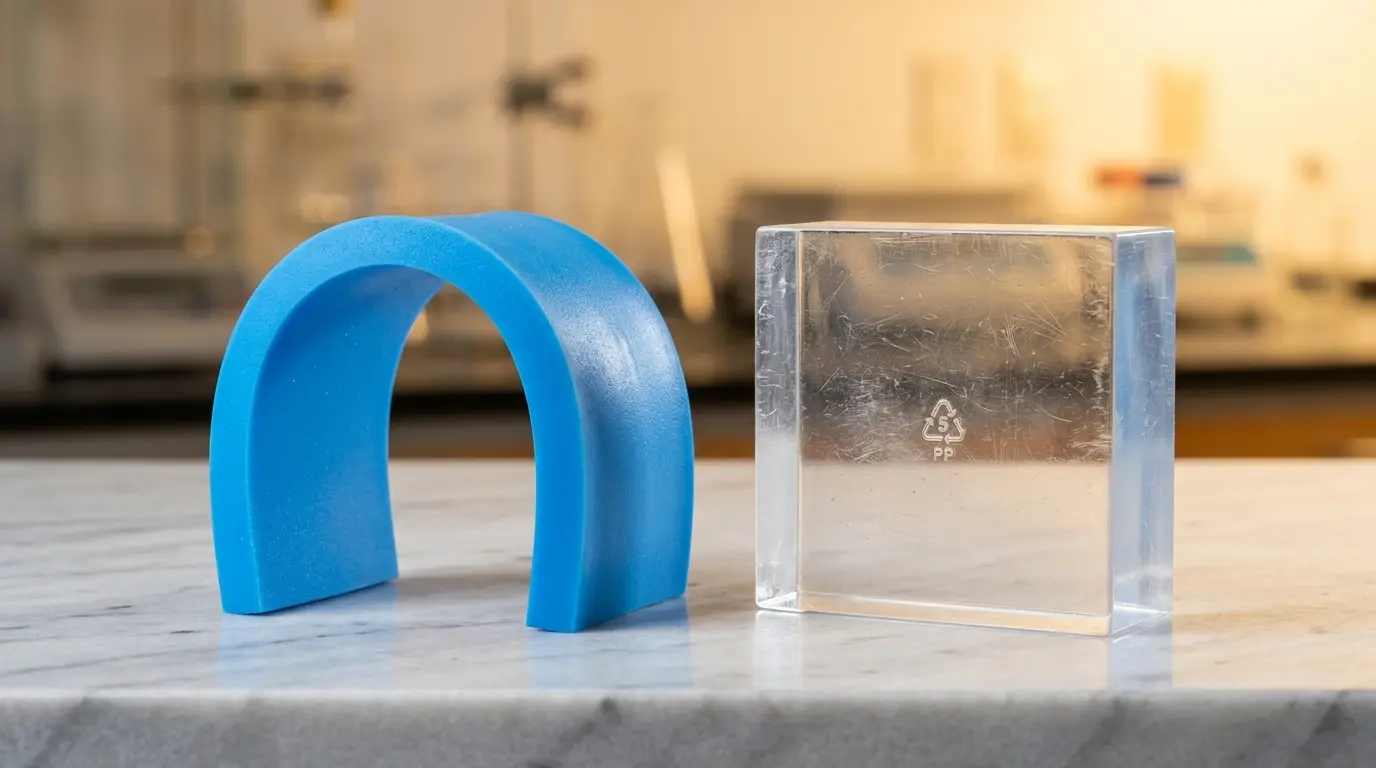
Before we dive into the molecular science, it is important to see how these materials stack up in everyday culinary scenarios. For a quick reference, here are the most important ways these two materials differ when exposed to intense radiant heat.
| Feature | Food-Grade Silicone | Microwave-Safe Plastic (#5 PP or Tritan) |
|---|---|---|
| Safety: Chemical Leaching | ✅ Very Low. | ⚠️ Medium. |
| Details | Food-grade silicone is chemically inert and exceptionally stable. | Can leach BPAs, phthalates, or shed microplastics when heated repeatedly. |
| Performance: Heat Resistance | ✅ High. | ⚠️ Variable. |
| Details | Can withstand extreme temperatures up to 450°F (232°C). | Designed only for gentle reheating (up to 212°F / 100°C), may melt or warp easily. |
| Longevity & Durability | ✅ Very Long. | ❌ Short to Medium. |
| Details | Will not warp, crack, or permanently stain. Flexible and nearly indestructible. | Becomes brittle, pits, stains yellow/orange, and warps with heavy dishwasher use. |
| Best For… | Steaming, baking, and high-heat reheating. | Quick reheating only. Fails completely with fatty/oily foods. |
Is Silicone Actually Safe in the Microwave?

The concept of microwaving “silicone” sounds highly unnatural—like you are heating up a hardware store caulk gun alongside your leftover spaghetti. However, it is essential to distinguish between industrial silicone and 100% Platinum-Cured Food-Grade Silicone.
Unlike petroleum-based plastics, food-grade silicone is a synthetic rubber polymer made primarily of silicon (a natural element found abundantly in sand and quartz), bound tightly with oxygen, carbon, and hydrogen. Crucially, its molecular structure makes it incredibly inert. This means it does not react chemically with food, acids, or heat, and it does not release harmful fumes. When placed in the microwave, premium silicone containers absorb radiant energy without breaking down at a molecular level.
Pros for Microwave Use:
- Chemical Stability: It is considered completely non-toxic. It will not leach endocrine disruptors (like those found in cheap plastic Tupperware) into your food, making it an ideal choice for healthy, long-term meal prep. Check our comprehensive guide on the Best Microwave Safe Containers for our top lab-tested silicone picks.
- Exceptional Heat Resistance: Silicone can typically handle ambient temperatures up to a staggering 450°F (232°C). You can microwave it, bake muffins in it inside a conventional oven, or toss it in the deep freezer without any structural damage. It will absolutely never melt during standard microwave reheating.
- No Warping or Cracking: Silicone is highly flexible, drop-proof, and nearly indestructible. It won’t become rigid or brittle over time like plastic. Unlike standard plastic or cheap glass, it can go from a freezing cold fridge directly into a hot microwave (a dangerous practice of thermal shock that can cause the explosive issues we cover in our Microwave Sparking Inside: Causes and Fixes guide for inferior containers).
The Trap of “Microwave-Safe” Plastic Labels
We have covered this specific, highly controversial topic extensively in our dedicated, in-depth guide: Is Plastic Safe in the Microwave?
The general verdict on plastic is incredibly complex. While many high-quality plastics, like premium clear Tritan or heavy-duty polypropylene (#5 PP), are engineering masterpieces capable of handling gentle microwave heat without instantly turning into liquid, they have massive, long-term health and structural drawbacks compared to silicone.
This FDA designation only means the container won’t visibly melt, warp, or violently shatter under normal, brief reheating conditions. It absolutely does not guarantee that zero chemicals will migrate into your meal over the lifespan of the container.
Cons for Microwave Use:
- Chemical Migration & Microplastics: When plastic is heated repeatedly in an appliance and washed in a boiling dishwasher, the polymer bonds begin to weaken and fracture. This releases chemical plasticizers (like BPS, phthalates, or modern substitutes) directly into your food. Recent 2026 clinical studies also suggest that microwaving plastic releases millions of microscopic plastic particles into the liquid of your meal.
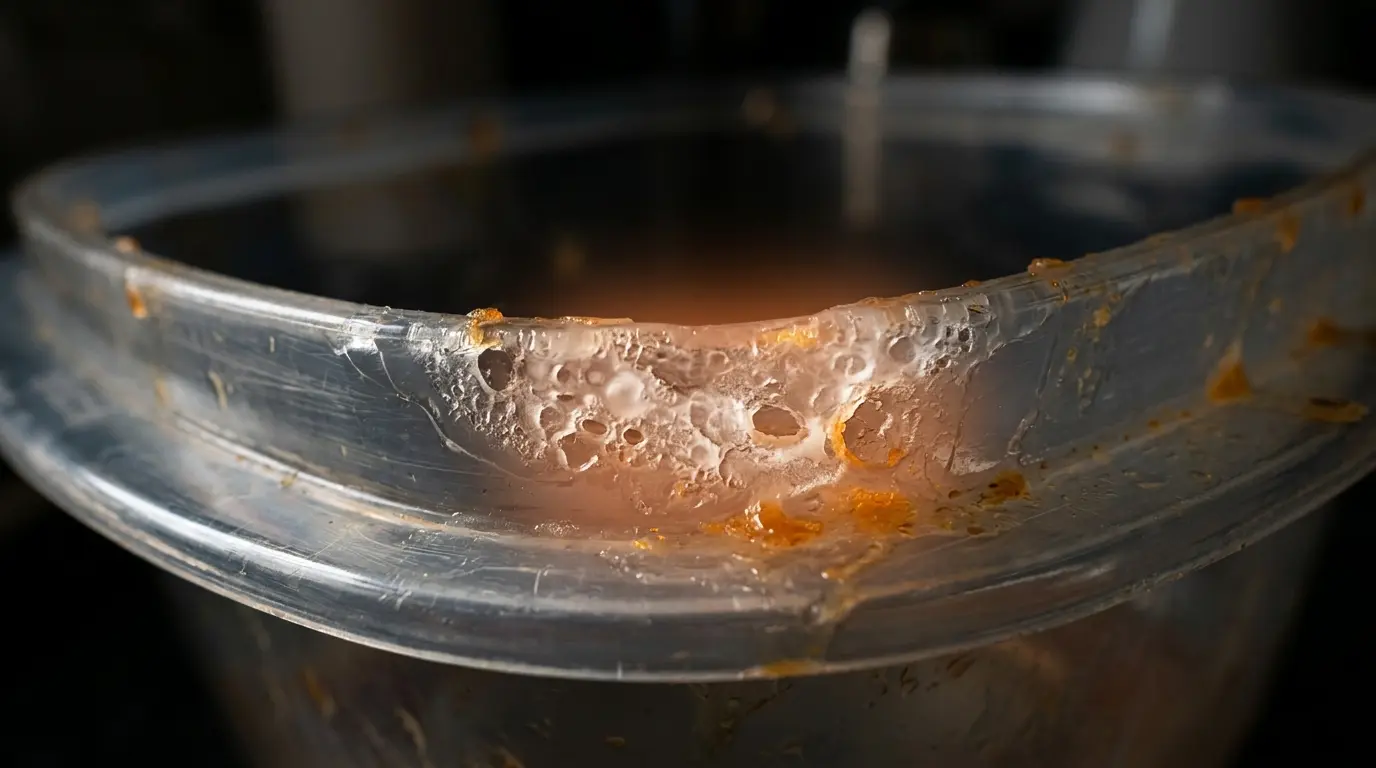
- Low Melting Point for Fatty Foods (Pitting): This is the most common plastic failure. Water boils at 212°F (100°C), but animal fats, butter, and cooking oils get extraordinarily hot in the microwave, far exceeding the 250°F melting point of many low-grade “safe” plastics. This extreme, localized heat will cause cheap Tupperware to melt, warp, and create rough white blisters (known as pitting). Once pitted, the container’s structural integrity is ruined, and it is highly unsafe to use.
- Longevity Concerns: Standard plastic degrades rapidly over time. It absorbs the acidic red color of tomato sauce, permanently holds onto pungent onion odors, and becomes cloudy and brittle after too many cycles. In the long run, buying silicone once is a vastly superior financial investment than replacing plastic every six months.
The Exception: When Plastic Still Wins
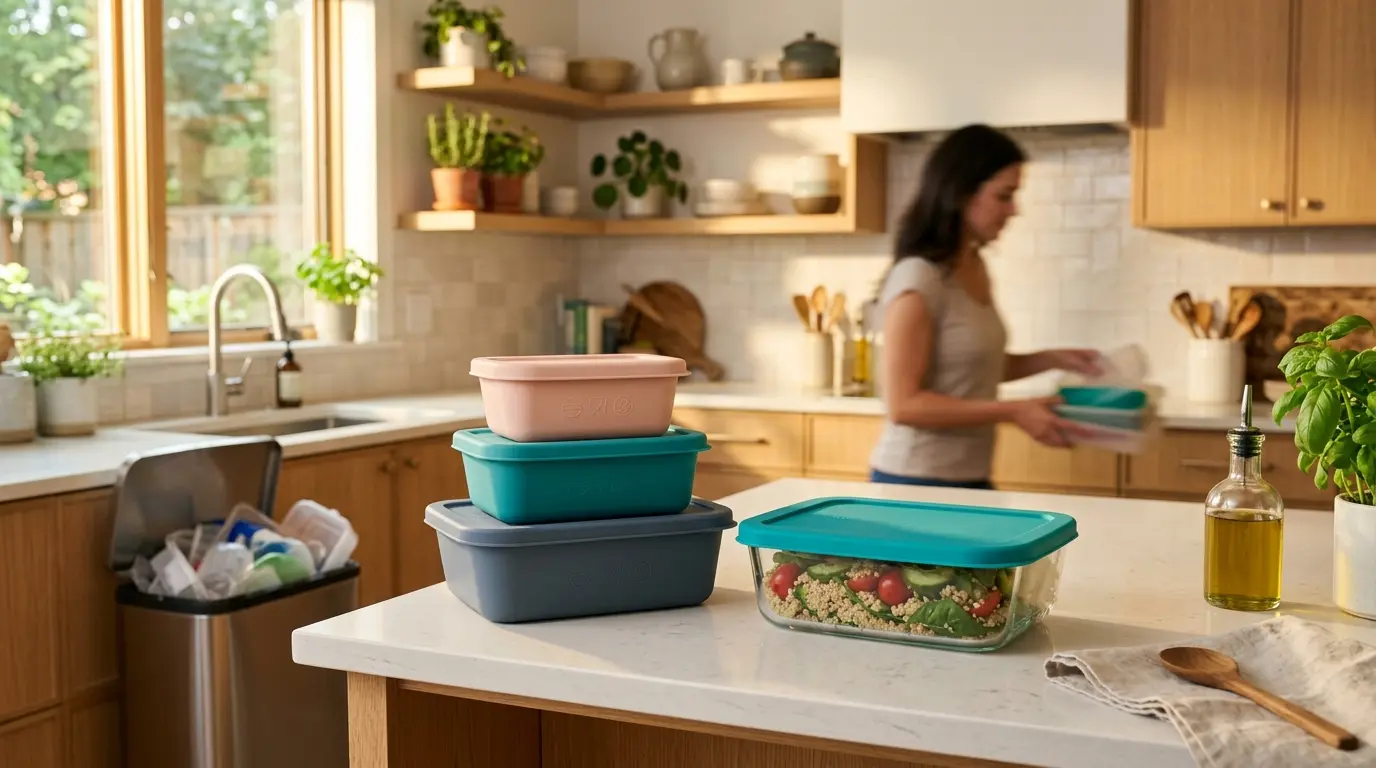
While silicone is the undisputed champion of heat safety, it does have one physical weakness: it is soft and flexible. Because it is essentially rubber, it can be difficult to create a rigid, perfectly airtight, snapping seal using purely silicone.
There is one scenario where plastic is functionally superior: when you need a perfectly leak-proof, rigid, hard-locking, and highly stackable seal for bulk meal prep and daily commuting in a backpack.
The Hybrid Solution
In that specific scenario, we do not recommend using pure plastic bins. Instead, the ultimate kitchen setup utilizes hybrid containers: the highest-quality heavy glass bases (for safe heating) paired with premium, non-toxic, snap-locking plastic lids (for safe transport).
You simply remove the plastic lid before placing the glass base into the microwave. You can see our top-rated hybrid options from brands like Pyrex and Bayco in our Best Microwave Safe Containers guide.
Explore More Appliance Guides
Don’t stop here! Visit our complete hub for more expert troubleshooting tips, safety protocols, and updated buying recommendations for 2026.
FAQ: Silicone vs. Plastic in the Microwave
2026 Guide: Safety, Durability, and The Pinch Test
The Bottom Line: 100% pure silicone outperforms plastic in durability, safety, and heat resistance.

